





Raty i finansowanie
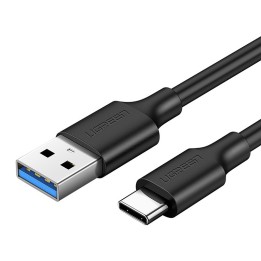
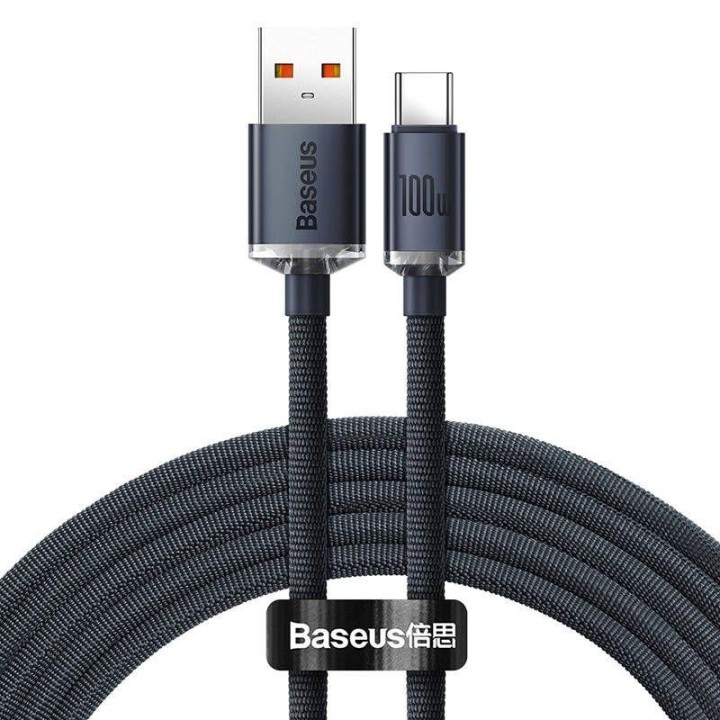
Kabel przewód USB - USB-C / Typ-C 1,2m Baseus CAJY000401 z obsługą szybkiego ładowania 100W
- MPN:
- CAJY000401
- EAN:
- 6932172602802
Akceptowane płatności
Opis produktu
Kabel przewód USB - USB-C / Typ-C 1,2m Baseus CAJY000401 z obsługą szybkiego ładowania 100W
Specyfikacja
- Typ kabla / urządzenia: Kabel do zasilania i transferu danych
- Długość kabla (m): 1.20
- Złącze 1: USB 2.0 Typu A (męskie)
- Złącze 2: USB Typu C (męskie)
- Pozłacane styki: Nie
- Przepustowość (Mb/s): 480
- Kolor: Czarny
- Informacje dodatkowe: Wsparcie szybkiego ładowania Huawei SCP, Samsung AFC, Xiaomi, QC 3.0
- MPN:
- CAJY000401
- EAN:
- 6932172602802
Szczegóły produktu
- Marka Baseus
- Kod produktu 663bae505521f6e903d8e8d9
- Dostępność 30 Przedmioty
- EAN13 6932172602802
- MPN CAJY000401
Specyfikacja
- Standard USB USB 2.0
- Kolor Czarny
- Długość przewodu (m) 1,2 m
- Złącze A USB Typ A Męska
- Złącze B USB Typ C Męska
- Maksymalna moc ładowania (W) 100 W
- Przepustowość danych (Gb/s) 0,48 Gb/s
Producent
Producent
Apex CE Specialists GmbH
Grafenberger Allee 277 40237 Düsseldorf Niemcy
E-mail: Info@apex-ce.de
Formularz kontaktowy: https://support.baseus.com/contact-us
Osoba odpowiedzialna w UE
BALTRADE SPÓŁKA Z OGRANICZONĄ ODPOWIEDZIALNOŚCIĄ
Kartuska 493 80-298 Gdańsk POLSKA
E-mail: contact@baltrade.eu
Formularz kontaktowy: https://baltrade.pl/kontakt
Telefon: 58 552 20 20
Bezpieczeństwo
Informacje o bezpieczeństwie
List of safety warnings for cables in the category: Electronics - Telephones and Accessories - GSM Accessories - Cables based on the requirements of Regulation (EU) 2023/988 on General Product Safety (GPSR) 1. Risk of electric shock: * Do not touch the cable with wet hands when connecting to a power source or device. * Make sure the plug is fully inserted into the outlet to avoid sparks and overheating. 2. Risk of fire: * Do not use damaged cables that have broken insulation or exposed wires. * Avoid overloading electrical outlets by connecting too many devices to a single power cable. 3. Choking risk (for young children): * Keep cables out of reach of children to prevent accidental ingestion. 4. Risk of cable damage: * Do not bend or twist the cable too much to avoid damaging the internal wires. * Avoid exposing the cable to sharp objects or high temperatures that can damage the insulation. 5. Risk of tripping: * Arrange cables along walls or under carpets to minimize the risk of tripping over them. 6. Allergy risk: * If there is an allergic reaction to the cable material (e.g. skin rash), discontinue use. 7. Driving safety: * Do not use cables while driving if this is distracting and increases the risk of an accident.