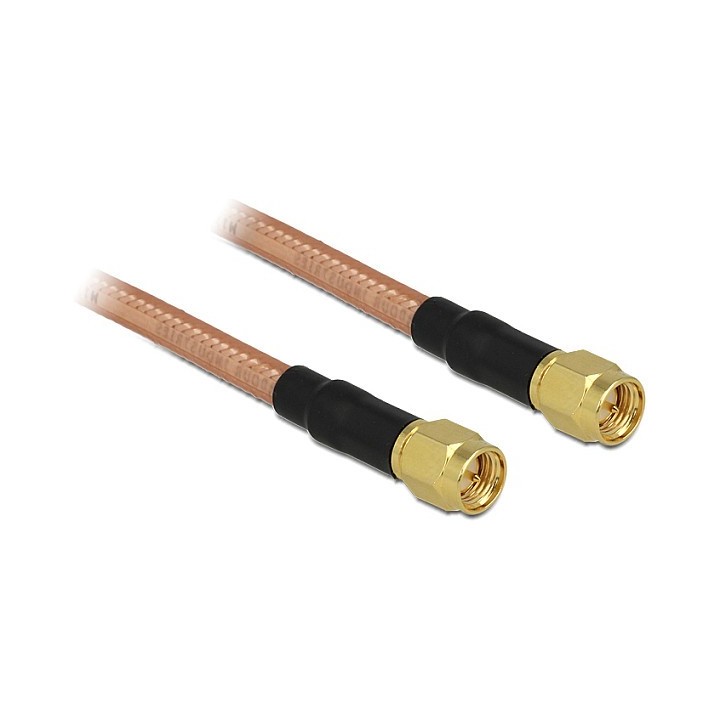
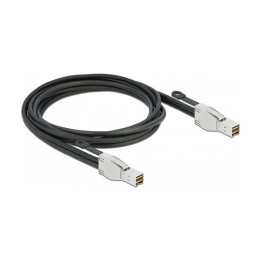
Kabel antenowy SMA wtyk - SMA wtyk RG-142 40 cm Delock 88894
PragmaPay dla biznesu
Zapłać za zakupy firmowe później lub w ratach przez Tpay.
Sprawdź, jak działa (otwiera się w nowej karcie)Opis produktu
Przeznaczenie
Kabel przeznaczony do łączenia elementów toru wysokoczęstotliwościowego z użyciem złączy SMA. Służy do przekazywania sygnałów RF o impedancji 50 Ω między anteną, modułem radiowym a urządzeniem pomiarowym.
Wykonanie
Przewód o długości 0,4 m (40 cm) wykonany na bazie przewodu typu RG-142, zaprojektowany z myślą o niskich stratach przesyłu sygnału przy częstotliwościach radiowych. Oba końce wyposażone są we wtyki SMA zakończone metalowymi końcówkami.
Konstrukcja
Konstrukcja zapewnia stabilność parametrów elektrycznych oraz ograniczenie tłumienia sygnału. Osłona przewodu ma przezroczystą izolację, co ułatwia wizualną kontrolę stanu kabla.
Zastosowanie
Kabel nadaje się do instalacji antenowych, połączeń modułów radiowych, prototypowania układów RF oraz zastosowań laboratoryjnych i testowych, gdzie ważne jest zachowanie impedancji 50 Ω i minimalizacja strat. Krótka długość 40 cm ułatwia prowadzenie połączeń na niewielkich odległościach.
Montaż i uwagi
Przewód jest zgodny z osprzętem wykorzystującym złącza SMA i elementami o impedancji 50 Ω. Montaż polega na wpięciu wtyków SMA w odpowiadające im gniazda. Zaleca się wykonywać połączenia przy wyłączonym układzie RF, aby ograniczyć ryzyko uszkodzenia urządzeń lub złączy.
Specyfikacja
- Kod producenta: 88894
- Długość: 0,4 m (40 cm)
- Impedancja: 50 Ω

Szczegóły produktu
- Marka Delock
- Kod produktu 69d8e8f897ffa1a2b059b078
- Dostępność 37 Przedmioty
- EAN13 4043619888948
- MPN 88894
Specyfikacja
- Złącze A SMA
- Złącze B SMA
Producent
Producent
Tragant Handels- und Beteiligungs GmbH
Beeskowdamm 13/15 14167 Berlin Niemcy
E-mail: info@delock.de
Osoba odpowiedzialna w UE
Tragant Handels- und Beteiligungs GmbH
Beeskowdamm 13/15 14167 Berlin Niemcy
E-mail: info@delock.de
Bezpieczeństwo
Informacje o bezpieczeństwie
List of safety warnings for shortwave equipment based on the requirements of General Product Safety Regulation (EU) 2023/988 (GPSR): 1. Risk of electric shock: * Make sure that the device is properly grounded and connected to the appropriate power source. * Do not touch the antenna or other external components during a storm. * Regularly check the status of power and antenna cables for damage. Replace them if they are damaged. 2. Fire hazard: * Do not place equipment near flammable materials. * Always use appropriate surge protection. * Regularly check the temperature of the device, especially during prolonged broadcasting. 3. Health hazard (electromagnetic field): * Keep a safe distance from the antenna when transmitting. * Limit broadcast time to the minimum necessary. * Do not use equipment near people with medical implants, dry as pacemakers, without consulting a doctor. 4. Risk of hearing damage: * Use headphones or speakers in moderation to avoid hearing damage Avoid prolonged listening to loud noises. 5. Antenna Hazards: * Make sure the antenna is properly attached and grounded * Do not mount the antenna near a high voltage line. Regularly check the condition of the antenna for damage caused by weather conditions. 6. Use under specific conditions: * Do not use equipment while driving. Please note the legal regulations regarding the use of shortwave equipment in your region. * Do not use equipment in places where it is prohibited, e.g. in hospitals or on board an aircraft. 7. Maintenance and repair: * Turn off the device from power before cleaning. * Do not repair the device yourself if you do not have the appropriate qualifications. Have a repair done to a qualified service technician. Use only original spare parts. 8. Hazards for children: * Keep equipment and accessories out of reach of children. Do not allow children to use the device on their own. 9. Environmental protection: * Hand over used equipment to the electro-waste collection point. Dispose of Batteries and accumulators in accordance with local regulations. 10. Additional warnings: * Always follow the instruction manual. * Do not modify the device without authorization. * Take care of regular software updates.