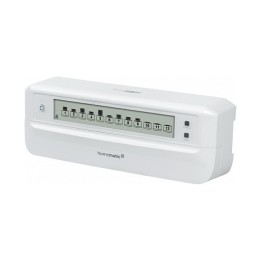
GIRA 539500 S3000 moduł RTR z przyłączem czujnika
PragmaPay dla biznesu
Zapłać za zakupy firmowe później lub w ratach przez Tpay.
Sprawdź, jak działa (otwiera się w nowej karcie)Opis produktu
Moduł
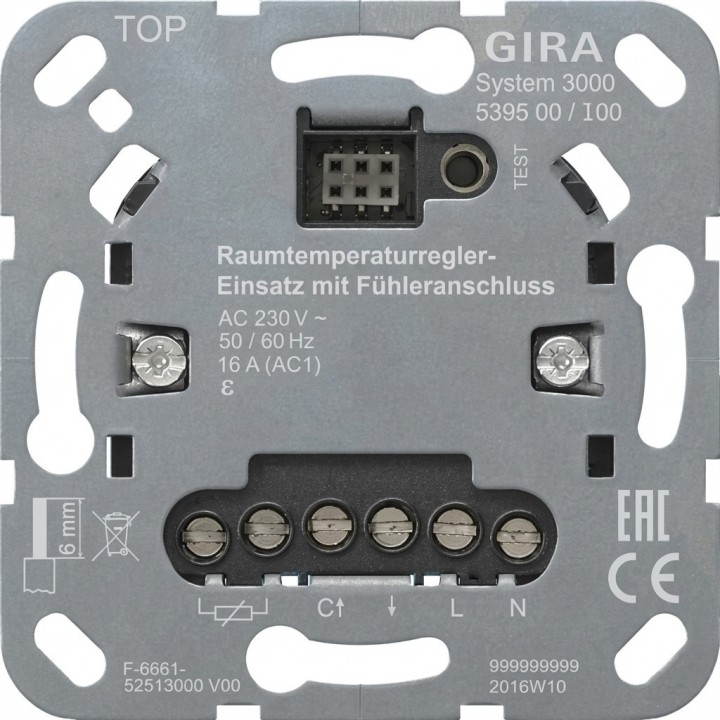
GIRA 539500 S3000 - moduł RTR przeznaczony jako wkład montażowy.
Przyłącze czujnika
Moduł wyposażony w przyłącze czujnika, umożliwiające podłączenie czujnika do instalacji.
Szczegóły produktu
- Marka GIRA
- Kod produktu 69310ae5f393edaeda74a401
- Dostępność 24 Przedmioty
- EAN13 4010337036128
- MPN 539500
Producent
Producent
Gira Giersiepen GmbH & Co. KG
Dahlienstraße 12 42477 Radevormwald Niemcy
E-mail: info@gira.de
Telefon: +4921956020
Osoba odpowiedzialna w UE
Gira Giersiepen GmbH & Co. KG
Dahlienstraße 12 42477 Radevormwald Niemcy
E-mail: info@gira.de
Telefon: +4921956020
Bezpieczeństwo
Informacje o bezpieczeństwie
List of socket safety warnings based on the requirements of General Product Safety Regulation (EU) 2023/988 (GPSR): 1. Risk of electric shock: * Make sure the sockets are properly grounded and comply with applicable safety standards. * Do not touch the outlets with wet hands or other damp objects. * Always turn off the power before starting any work related to the installation or repair of outlets. * Use only certified insulated tools when working with electricity. 2. Child protection: * Apply socket protection to prevent children from inserting objects into the holes. * Regularly check the security status and replace them in case of damage. 3. Outlet Overload: * Do not connect too many devices to a single outlet or extension cord to avoid overloading the circuit. * Check the maximum load of the outlet and do not exceed it. 4. Mechanical damage: * Regularly check the condition of the sockets for cracks, damage or loose elements. * In case of damage to the outlet, immediately turn off the power and replace the outlet with a new one. 5. Use in damp rooms: * In bathrooms and other damp rooms, use only splash-proof and moisture-proof outlets. * Avoid using regular outlets near water sources. 6. Installation and repair: * Install and repair outlets only to qualified electricians. * Do not attempt to repair outlets yourself if you do not have the appropriate qualifications. 7. Fire protection: * Keep outlets clean, remove dust and other contaminants that may pose a fire hazard. * Do not cover the outlets with flammable materials. 8. Regular inspections: * Regularly outsource electrical system inspections, including outlets, to a qualified electrician to detect potential problems. 9. Turn off devices: * Turn off devices from outlets when not in use to reduce power consumption and short circuit risk. 10. Disposal: * Dispose of used outlets in accordance with local regulations on the recycling of e-waste.