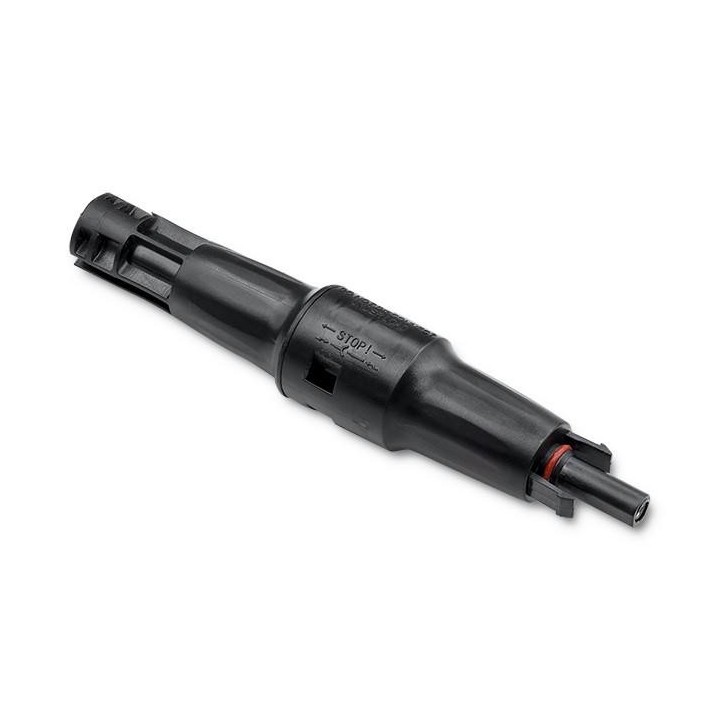
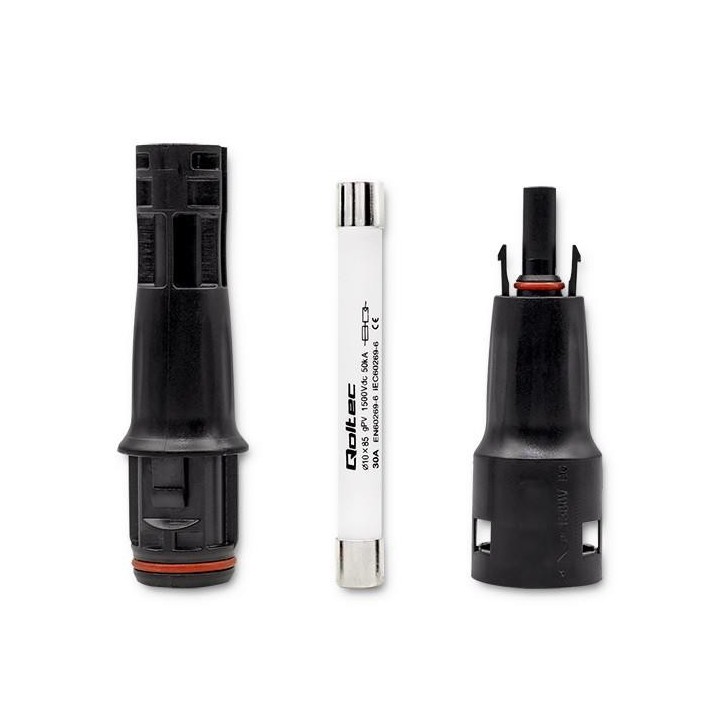
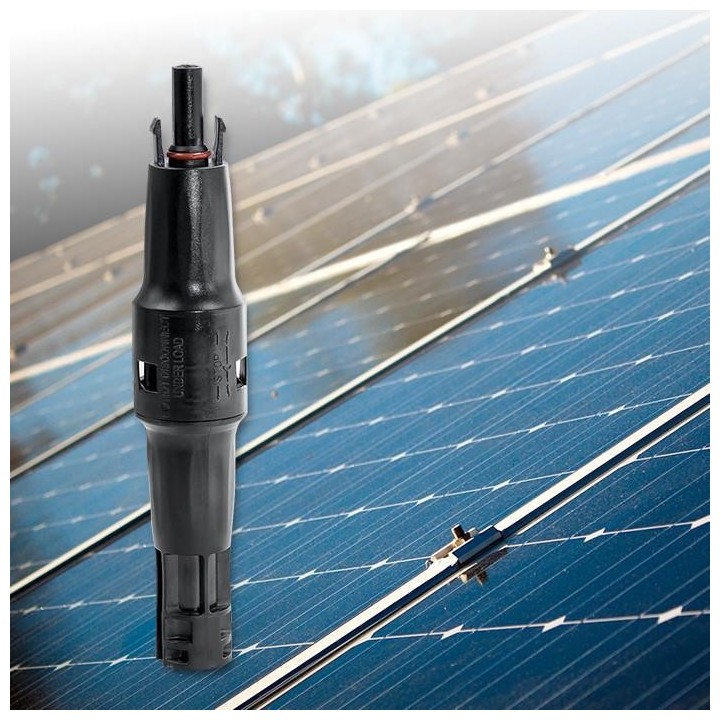
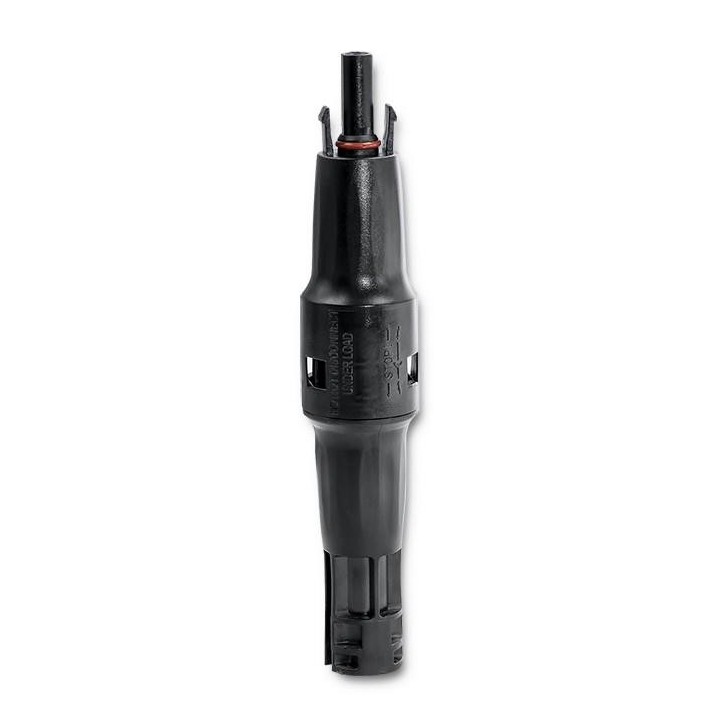
Konektor solarny z bezpiecznikiem, złącze MC4 1500V 30A
PragmaPay dla biznesu
Zapłać za zakupy firmowe później lub w ratach przez Tpay.
Sprawdź, jak działa (otwiera się w nowej karcie)Opis produktu
\n
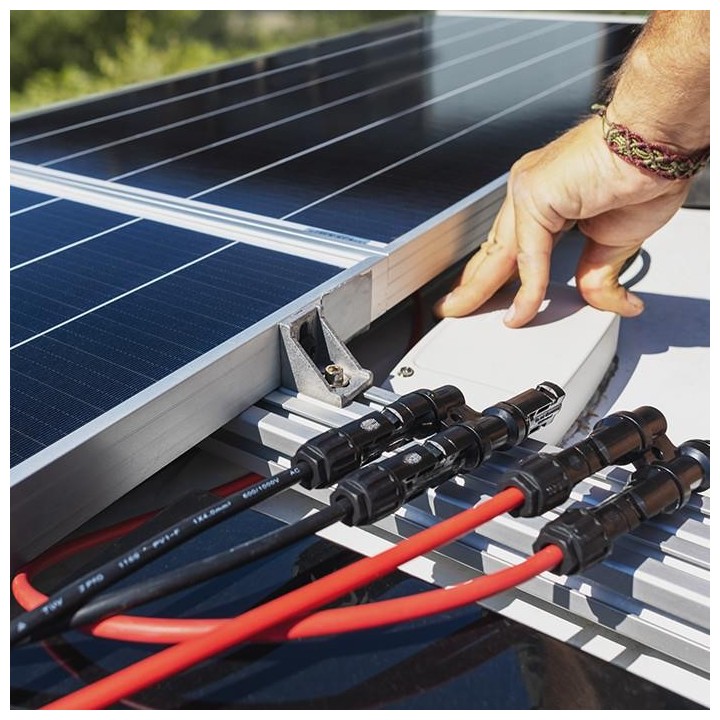
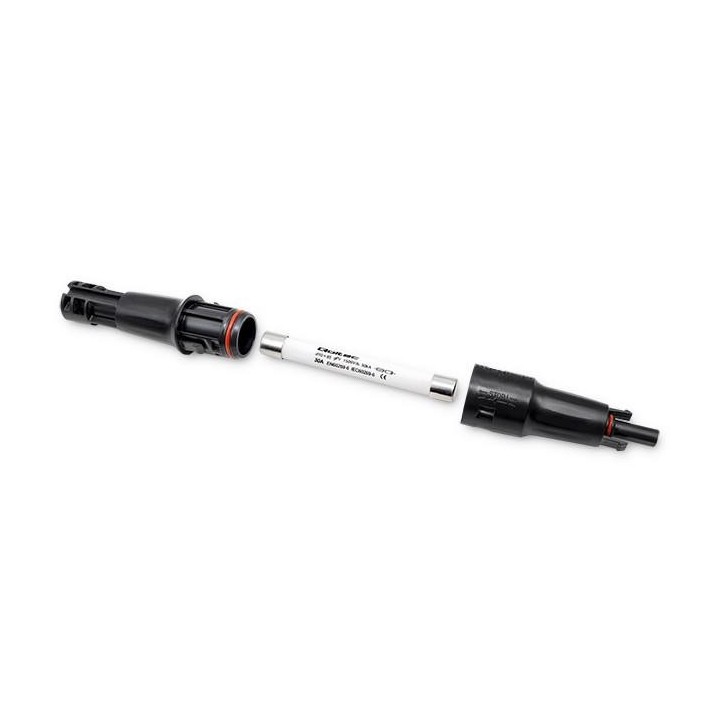
Konektory marki Qoltec służą do łączenia paneli PV w instalacjach fotowoltaicznych, przy pomocy odpowiednich przewodów solarnych, również dostępnych w naszej ofercie. Posiadają miejsce do zamontowania wkładki cylindrycznej topikowej 10x38. Wkładka 1500V w zestawie. Konektor zabezpiecza regulatory ładowania lub inwertery sieciowe przed wyładowaniami atmosferycznymi.
","$":{"name":"Bezpieczne i niezawodne połączenie między modułami PV"}},{"_":"\n
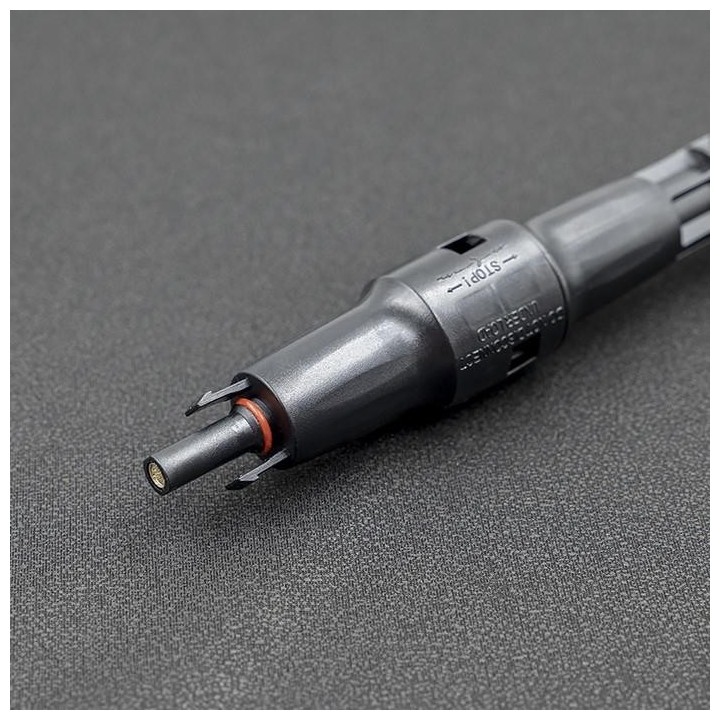
Produkt cechuje się wysoką wytrzymałością mechaniczną, odpornością na wysokie temperatury i promieniowanie UV, a wysoka klasa szczelności potwierdza trwałość produktu i wodoodporność. Złącza zostały wykonane z wysokiej jakości materiału PC.\n
","$":{"name":"Wysoka jakość i solidne wykonanie "}},{"_":"Zależy Ci na wysokiej jakości kupowanego produktu? Nasze rozwiązania spełnią Twoje oczekiwania. Produkt objęty jest 24 miesięczną gwarancją obowiązującą od dnia zakupu.
","$":{"name":"Zaufanie potwierdzone gwarancją "}}]}Specyfikacja
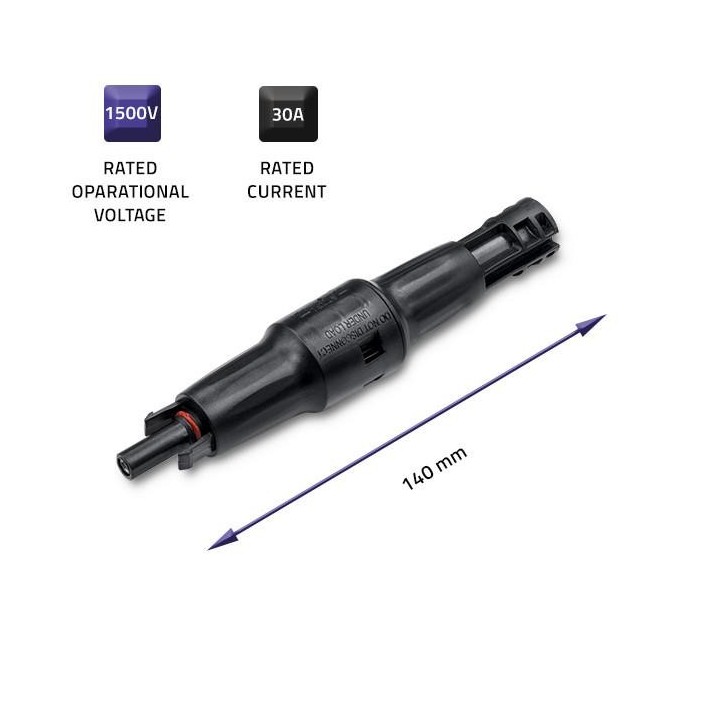
- Napięcie (maks.): 1500 V
- Prąd znamionowy: 30 A
- Złącza: Brak
- Przekrój kabla: 4 mm2
- Klasa szczelności: IP67
- Materiał: Poliwęglan
- Test wytrzymałości: 1500V
- Temperatura pracy: -40-85
- Wymiary: 140 x 26 x 26 mm
- Waga: 0.026 kg
- Uwaga: CE+WEEE
Szczegóły produktu
- Marka Qoltec
- Kod produktu 660fc3c571a267703cba3ca8
- Dostępność 455 Przedmioty
- EAN13 5901878525990
- MPN 52599
Producent
Producent
ntec sp. z o.o.
Chorzowska 44B 44-100 Gliwice Polska
E-mail: info@qoltec.pl
Telefon: +48 32 600 79 89
Osoba odpowiedzialna w UE
ntec sp. z o.o.
Chorzowska 44B 44-100 Gliwice Polska
E-mail: wk@ntec.pl
Telefon: 502438598
Bezpieczeństwo
Informacje o bezpieczeństwie
List of safety warnings for alternative energy products based on the requirements of General Product Safety Regulation (EU) 2023/988 (GPSR): 1. Risk of electric shock: * Make sure the installation is properly grounded in accordance with applicable standards. * Do not touch the installation elements with wet hands. * Turn off the power before starting any maintenance or repair work. 2. Fire risk: * Regularly check the condition of wires and connectors for damage. * Maintain adequate ventilation around your devices to prevent overheating. * Do not use damaged or incompatible components. 3. Explosion risk (for energy storage systems): * Follow the manufacturer's recommendations for safe battery use and maintenance. * Regularly check the battery status for leaks, bulges, or other signs of damage. * Ensure proper ventilation of the room where the batteries are located. 4. Risk of mechanical injury: * Use appropriate personal protective equipment during installation, maintenance or repair of equipment. * Make sure the support structure is stable and durable. * Protect your workplace from unauthorized access. 5. Risk of harmful substances: * Do not expose solar panels to mechanical damage. * If you come into contact with harmful substances, contact your doctor immediately. 6. Risks related to weather conditions: * Regularly inspect installations for damage caused by wind, snow or ice. * Make sure the system is protected from atmospheric discharges. 7. Electromagnetic radiation risk: * Maintain a safe distance from devices emitting a strong electromagnetic field. * People with medical implants should consult a doctor before approaching the installation. 8. Risk associated with working at height: * Use appropriate equipment to protect against falling from a height. * Provide adequate training for those working at heights. 9. Risks associated with improper operation: * Follow the operating and maintenance instructions. * Do not modify the installation without the consent of the manufacturer or a qualified specialist. * Regularly check the operation of the installation and react to any irregularities. 10. Risk associated with access by third parties: * Protect the installation area from unauthorized access, in particular children. * Place warning signs to indicate potential hazards.