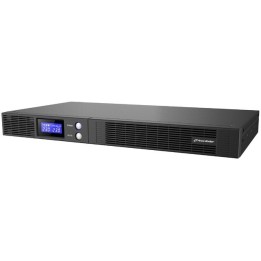
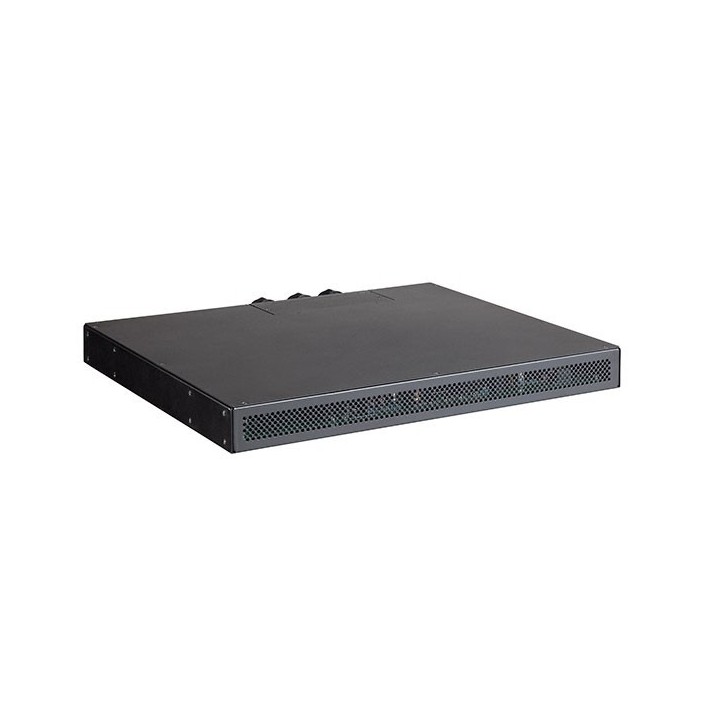
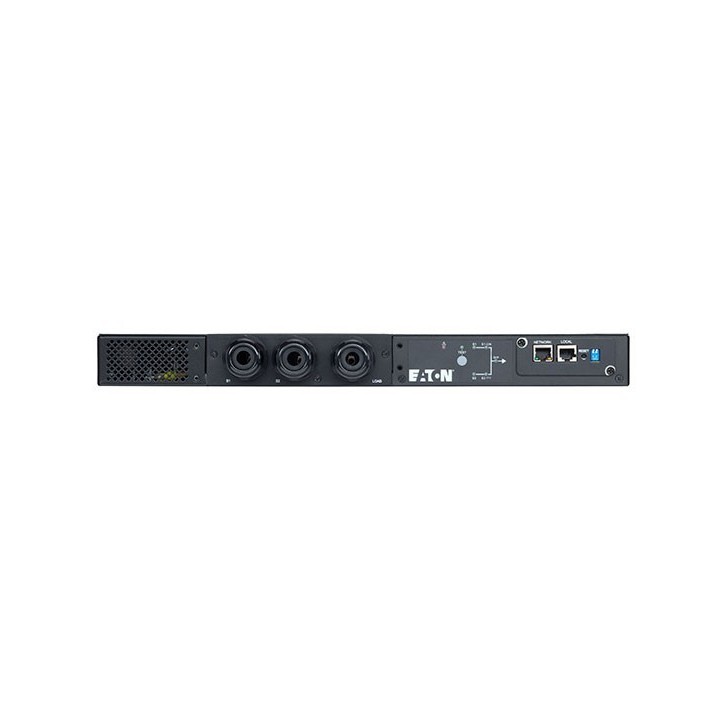
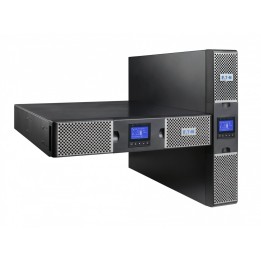
EATON EATS30N Eaton ATS 30A Netpack

Cena: 5 996,49 zł
Brutto
Dostępność produktu: Dostępny 1 szt.
Czas dostawy Wysyłka w ciągu 2 dni roboczych
Koszt dostawy Bezpłatna dostawa od 250 zł.

Opis produktu

Eaton ATS oferuje niedrogie rozwiązanie dla klientów chcących dodać nadmiarowość zasilania do urządzeń sieciowych, takich jak przełączniki i routery. Automatyczny przełącznik źródeł zasilania umożliwi zasilanie z 2 różnych źródeł. Jeżeli jedno źródło zasilania ulegnie awarii, to źródło rezerwowe zostanie przyłączone bezprzerwowo do podłączonego sprzętu. Eaton ATS może być połączony z wieloma urządzeniami jednocześnie oszczędzając na kosztach stosowania drogich zasilaczy nadmiarowych.

Zapewnia redundancję zasilania dla sprzętu IT

Alternatywa dla drogich redundancyjnych zasilaczy wejściowych oferowanych w dostępnym sprzęcie sieciowym
Kompaktowa obudowa stelażowa 1U
Bezprzerwowe przełączanie z jednego źródła zasilania na drugie
Wyświetlacz LCD z możliwościami odczytu pomiarów i podstawowej konfiguracji ustawień

Specyfikacja

  • Opis produktu: Eaton ATS 30 przełącznik nadmiarowy
  • Rodzaj urządzenia: Przełącznik nadmiarowy montowany w stojaku
  • Rozmiar stojaka: 1U
  • Waga: 4.8 kg
  • Napięcie wejściowe: AC 180264 V
  • Złącza wejściowe: 2 x stałe
  • Praca w sieci: Ethernet
  • Protokół zdalnego zarządzania: SNMP
  • Wymiary (szer.głęb.wys.): 44 cm x 39 cm x 4.3 cm

Szczegóły produktu

  • Marka Eaton
  • Kod produktu 660fd7c471a267703cc5f168
  • Dostępność 1 Przedmiot
  • EAN13 0743172069528
  • MPN EATS30N

Specyfikacja

  • Montaż Rack Tak

Producent

Producent

Eaton Corporation plc

Eaton House, 30 Pembroke Road D04 Y0C2 Dublin Ireland

Formularz kontaktowy: https://www.eaton.com/us/en-us/company/contact-us.html

Telefon: +353 (0) 1637 2877

Bezpieczeństwo

Informacje o bezpieczeństwie

List of UPS safety warnings based on the requirements of Regulation (EU) 2023/988 on General Product Safety (GPSR) 1. Risk of electric shock: * Make sure the UPS is plugged into an outlet with grounding to avoid shock. * Do not touch the UPS or cables with wet hands to avoid electric shock. * Do not use UPS in areas with high humidity, e.g. in the bathrooms. 2. Risk of overload: * Do not connect more devices to the UPS than its specification allows to avoid overloading and damage. * Check that the devices connected to the UPS do not exceed its maximum power. 3. Risk of overheating and fire: * Do not block ventilation openings in the UPS to ensure adequate air circulation. * Do not place the UPS near heat sources or in enclosed spaces where overheating may occur. * Use only the original cables and accessories provided by the manufacturer to avoid the risk of fire. * In case of UPS failure or overheating, disconnect it from power immediately. 4. Risk of battery damage: * Do not expose the UPS battery to high temperatures, humidity or direct sunlight. * Do not attempt to open, damage or short-circuit the UPS battery. * Replace batteries only with models recommended by the manufacturer and according to the instructions. * Recycle used batteries in accordance with local regulations. 5. Environmental hazards: * Do not use UPS in environments with high dustiness or exposure to chemicals. * Protect your UPS from flooding and moisture. 6. During cleaning: * Before cleaning, disconnect the UPS from the power supply and use a dry, soft cloth. * Do not use aggressive cleaners or solvents. 7. Transportation and storage: * Transport your UPS in its original packaging or properly secured to avoid damage. * Store your UPS in a dry and cool place, away from heat and moisture sources. 8. Children and pets: * Keep the UPS and its cables away from children and pets to avoid accidental damage or electric shock. 9. Additional warnings: * If you notice smoke, unusual smell or sound coming out of the UPS, disconnect it from the power supply immediately. * Regularly check the status of your UPS and its cables to detect any damage. * In case of long-term power outage, disconnect non-critical devices from the UPS to save battery power. * Follow the UPS manual provided by the manufacturer. 10. Disposal: * Dispose of used UPS to an e-waste collection point to ensure it is properly recycled and avoid negative environmental impacts.

Ładowanie...
Wróć na górę