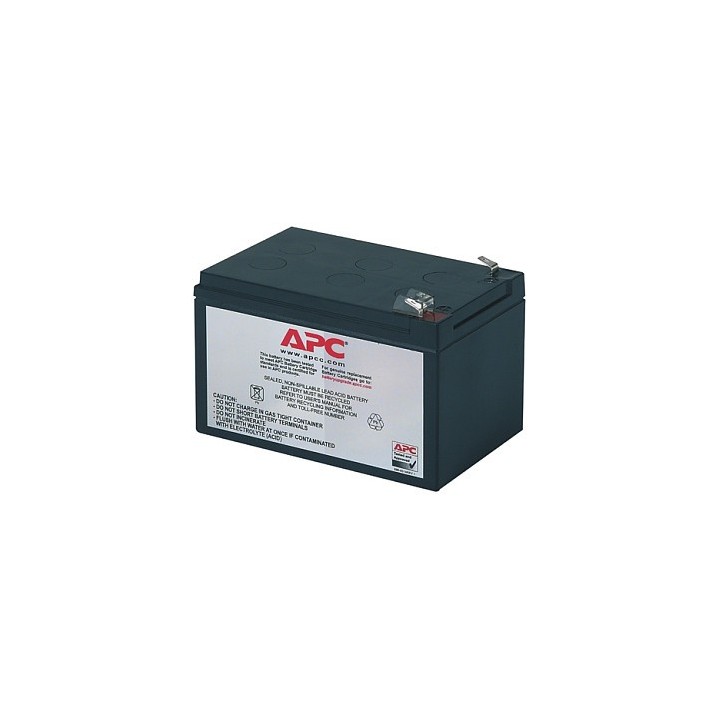
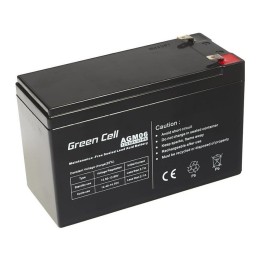
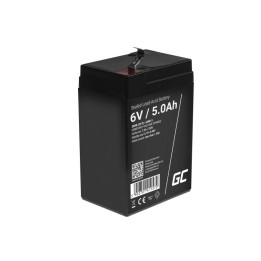
RBC4 Akumulator do SC620i

Cena: 579,49 zł
Brutto
Dostępność produktu: Dostępny 13 szt.
Czas dostawy Wysyłka w ciągu 5 dni roboczych
Koszt dostawy Bezpłatna dostawa od 250 zł.

Opis produktu

Zamienna kaseta akumulatorowa APC nr 4
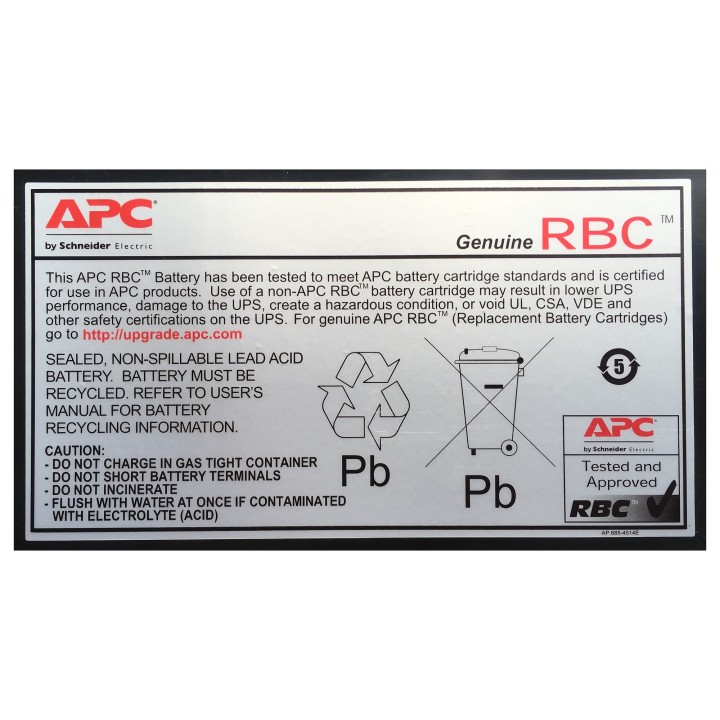
Oryginalne akumulatory APC RBC(TM) przeszły odpowiednie testy i otrzymały certyfikaty zgodności. Umożliwiają przywrócenie wydajności zasilacza UPS zgodnie z oryginalną specyfikacją.

Specyfikacja

  • Rodzaj (akumulatory UPS): Moduł bateryjny
  • Liczba akumulatorów: 1
  • Napięcie: 12 V
  • Pojemność akumulatora: 11 Ah
  • Wymagania środowiskowe: - Temperatura eksploatacji: 0 - 40 °C- Wilgotność względna podczas pracy: 0 - 95 %- Wysokość n.p.m. podczas pracy: 0-3000metry- Temperatura (przechowywanie): -15 - 45 °C- Wilgotność względna (przechowywanie): 0 - 95 %- Wysokość n.p.m. (przechowywanie): 0-15000metry
  • Akcesoria w zestawie: - Wszystkie wymagane złącza,- Przewodnik recyklingu akumulatorów- Instrukcja użytkownika- Opakowanie do ponownego wykorzystania
  • Kolor (wyliczeniowy): Czarny
  • Wymiary: 99 x 94 x 150 mm
  • Waga: 3.68 kg
  • Pozostałe parametry: - Produkty marki APC by Schneider Electric zaprojektowane specjalnie dla zasilaczy UPS marki APC z myślą o pełnej kompatybilności z inteligentnym systemem zarządzania akumulatorami- Oczekiwana żywotność akumulatora (lata): 3-5 lat
  • Uwaga: CE+WEEE

Szczegóły produktu

  • Marka APC
  • Kod produktu 660fb92371a267703cabe875
  • Dostępność 13 Przedmioty
  • EAN13 0731304003267
  • MPN RBC4

Specyfikacja

  • Napięcie nominalne (V) 12 V
  • Pojemność akumulatora (Ah) 11 Ah
  • Liczba akumulatorów w zestawie (szt.) 1 szt.

Producent

Producent

Schneider Electric IT Logistics Europe Ltd.

City East Business Park, Ballybrit H91 HT73 Galway Ireland

E-mail: raymond.lizotte@se.com

Formularz kontaktowy: https://www.se.com/ww/en/work/support/

Telefon: +1 9789304141

Bezpieczeństwo

Informacje o bezpieczeństwie

List of UPS safety warnings based on the requirements of Regulation (EU) 2023/988 on General Product Safety (GPSR) 1. Risk of electric shock: * Make sure the UPS is plugged into an outlet with grounding to avoid shock. * Do not touch the UPS or cables with wet hands to avoid electric shock. * Do not use UPS in areas with high humidity, e.g. in the bathrooms. 2. Risk of overload: * Do not connect more devices to the UPS than its specification allows to avoid overloading and damage. * Check that the devices connected to the UPS do not exceed its maximum power. 3. Risk of overheating and fire: * Do not block ventilation openings in the UPS to ensure adequate air circulation. * Do not place the UPS near heat sources or in enclosed spaces where overheating may occur. * Use only the original cables and accessories provided by the manufacturer to avoid the risk of fire. * In case of UPS failure or overheating, disconnect it from power immediately. 4. Risk of battery damage: * Do not expose the UPS battery to high temperatures, humidity or direct sunlight. * Do not attempt to open, damage or short-circuit the UPS battery. * Replace batteries only with models recommended by the manufacturer and according to the instructions. * Recycle used batteries in accordance with local regulations. 5. Environmental hazards: * Do not use UPS in environments with high dustiness or exposure to chemicals. * Protect your UPS from flooding and moisture. 6. During cleaning: * Before cleaning, disconnect the UPS from the power supply and use a dry, soft cloth. * Do not use aggressive cleaners or solvents. 7. Transportation and storage: * Transport your UPS in its original packaging or properly secured to avoid damage. * Store your UPS in a dry and cool place, away from heat and moisture sources. 8. Children and pets: * Keep the UPS and its cables away from children and pets to avoid accidental damage or electric shock. 9. Additional warnings: * If you notice smoke, unusual smell or sound coming out of the UPS, disconnect it from the power supply immediately. * Regularly check the status of your UPS and its cables to detect any damage. * In case of long-term power outage, disconnect non-critical devices from the UPS to save battery power. * Follow the UPS manual provided by the manufacturer. 10. Disposal: * Dispose of used UPS to an e-waste collection point to ensure it is properly recycled and avoid negative environmental impacts.

Ładowanie...
Wróć na górę