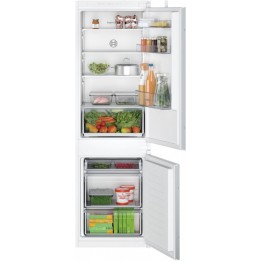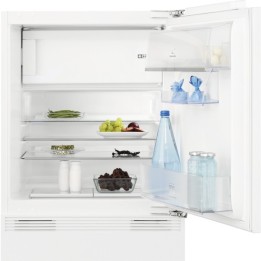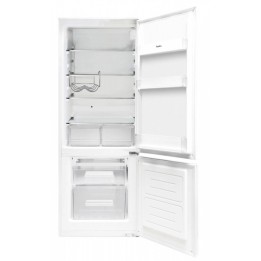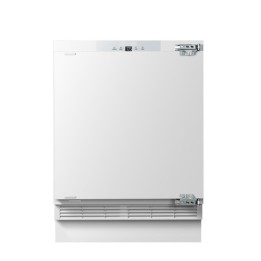
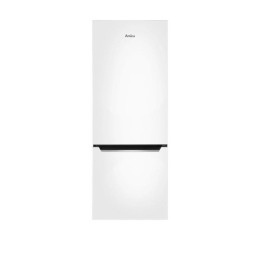
Chłodziarko-zamrażarka KU22LVFD0

Cena: 2 590,99 zł
Brutto
Dostępność produktu: Dostępny 1 szt.
Czas dostawy Wysyłka w ciągu 2 dni roboczych
Koszt dostawy Bezpłatna dostawa od 250 zł.

Opis produktu

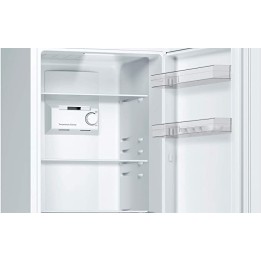
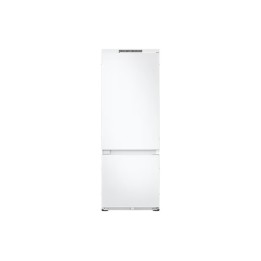
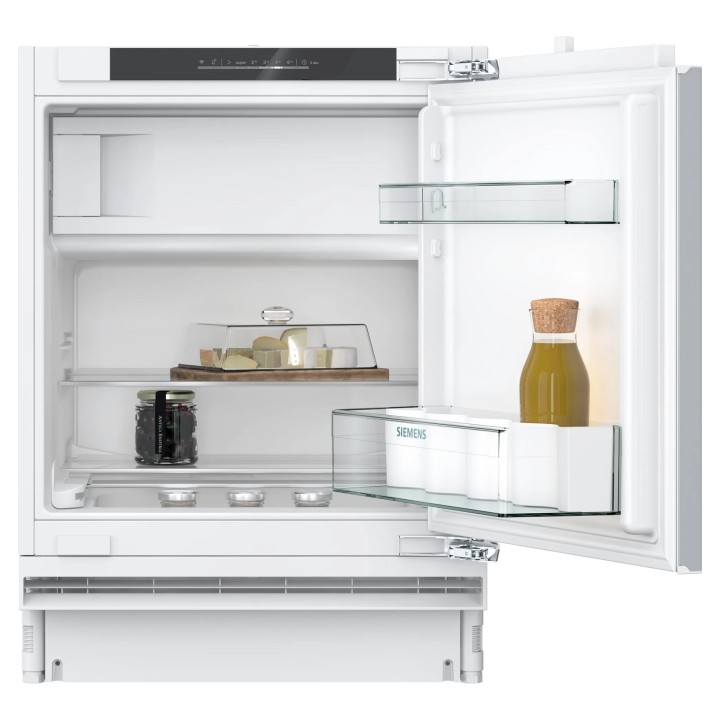
Chłodziarko-zamrażarka KU22LVFD0

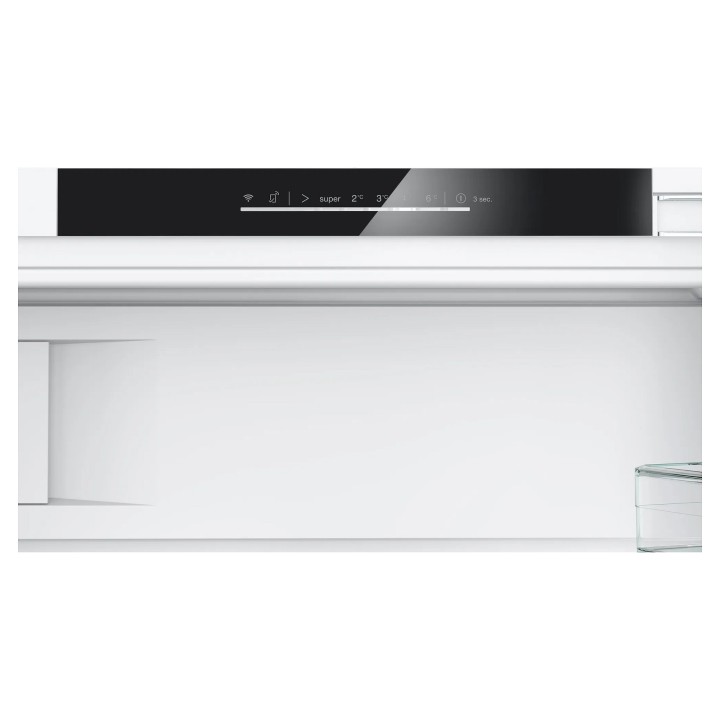
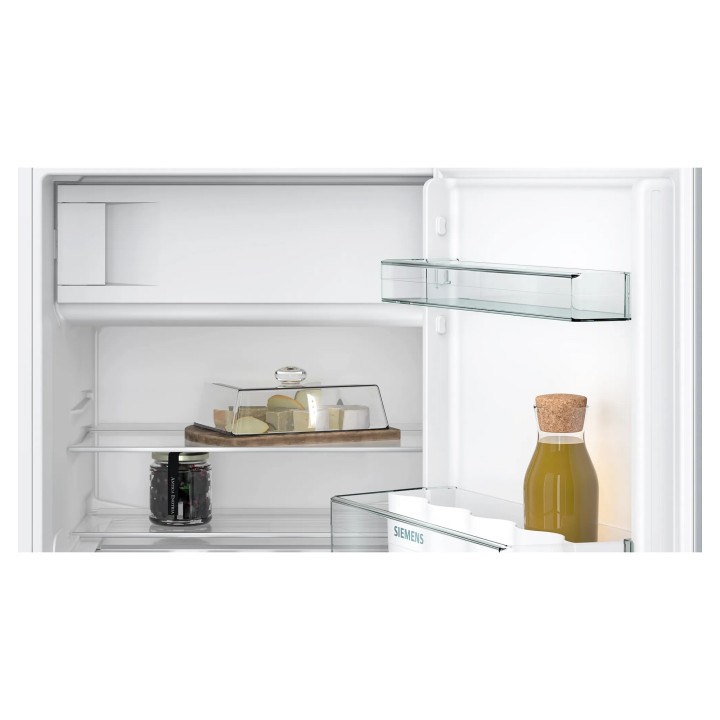
Chłodziarka do zabudowy z przedziałem ****zamrażalnika i alarmem drzwi, zapewnia bezproblemowe chłodzenie i zamrażanie w miejscach o ograniczonej przestrzeni.

  • Obniżanie temperatury przez ustalony czas, aby szybko schłodzić świeżą żywność superCooling.
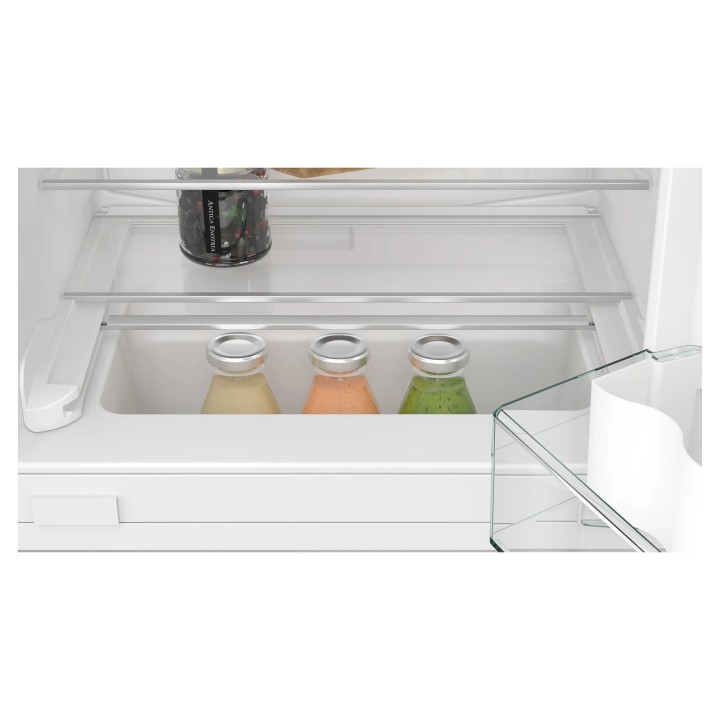
  • Wykonane z wyjątkowo wytrzymałego, łatwego w czyszczeniu bezpiecznego szkła półki safetyGlass.
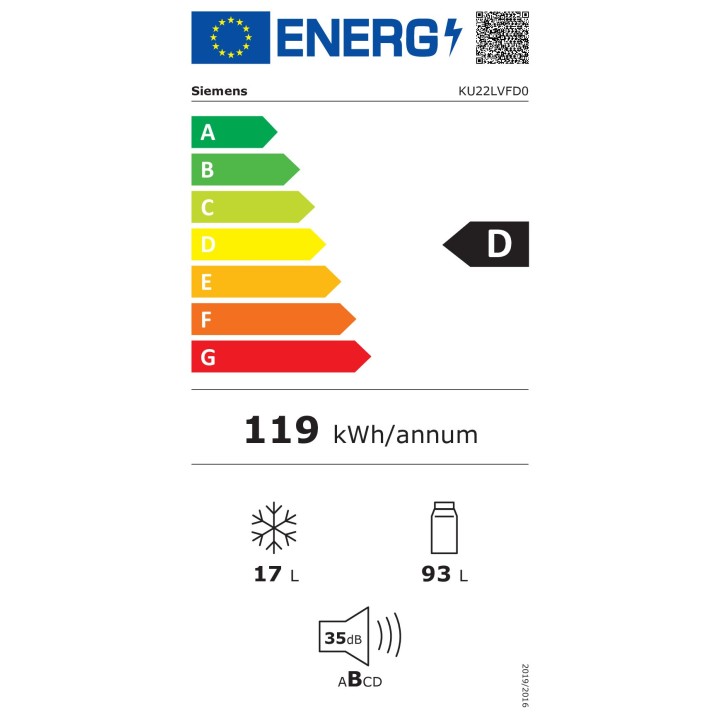
  • Klasa hałasu B: ciche urządzenia nie są głośniejsze niż szelest liści.

Specyfikacja

  • Etykieta energetyczna: Pobierz
  • Rodzaj (AGD): Zabudowa
  • Budowa (AGD): zamrażalnik wewnętrzny
  • Pojemność zamrażarki (netto): 17 l
  • Pojemność chłodziarki (netto): 93 l
  • Rozmrażanie zamrażarki: ręczne
  • Rozmrażanie chłodziarki: automatyczne
  • Zdolność zamrażania: 3 kg/dobę
  • Przechowywanie bez zasilania: 9 h
  • Technologia (no frost): Brak
  • Funkcje (chłodziarko-zamrażarki): Action Cool
  • Sterowanie (AGD): elektroniczne
  • Wyświetlacz / Panel: Tak
  • Ilość agregatów: 1
  • Poziom hałasu: 35 dB
  • Klasa energetyczna: D
  • Klasa głośności: B
  • Kolor AGD: Nie dotyczy
  • Wysokość: 82 cm
  • Szerokość: 60 cm
  • Głębokość: 55 cm
  • Uwaga: CE+WEEE

Szczegóły produktu

  • Marka Bosch
  • Kod produktu 6699afaf1d00d95effbf8d43
  • Dostępność 1 Przedmiot
  • EAN13 4242003933619
  • MPN KU22LVFD0

Specyfikacja

  • Szerokość (cm) 60 cm
  • Do zabudowy Tak
  • Roczne zużycie energii (kWh/rok) 119 kWh/rok
  • Wysokość (cm) 82 cm
  • Pojemność chłodziarki (l) 93 l
  • Pojemność zamrażarki (l) 17 l
  • No Frost Nie
  • Klasa energetyczna D

Producent

Producent

Robert Bosch Power Tools GmbH

Max-Lang-Strasse 40-46 70538 Leinfelden-Echterdingen Niemcy

E-mail: kontakt@bosch.de

Bezpieczeństwo

Informacje o bezpieczeństwie

List of safety warnings for built-in refrigerators based on the requirements of Regulation (EU) 2023/988 on general product safety (GPSR): 1. Risk of electric shock: * Make sure that the refrigerator is connected to an outlet with grounding. * Do not touch the plug or power cable with wet hands. * Avoid placing the refrigerator in places with high humidity. 2. Risk of fire: * Do not place flammable materials near the refrigerator. * Regularly check the status of the power cable. In case of damage, do not use the refrigerator and contact the service. 3. Risks associated with improper installation: * Make sure the refrigerator is installed according to the manufacturer’s instructions. * Provide adequate ventilation around the device. * Do not block ventilation openings. 4. Risk of tipping over: * Make sure the refrigerator is on a stable and even surface. * For freestanding refrigerators, consider attaching them to the wall to prevent tipping over. 5. Risk of injury: * Be careful when moving and installing the refrigerator. It is heavy equipment. * Do not lean against the open refrigerator door. 6. Risk associated with coolant damage: * In case of damage to the refrigeration system, the room should be well ventilated. * Avoid sources of fire near a damaged refrigerator. 7. Risk for children: * Never allow children to play with the refrigerator. * Dismantle the door of the old refrigerator before disposing of it to prevent children from accidentally locking themselves in it. 8. Disposal risk: * Dispose of your old refrigerator in accordance with local regulations. It contains substances harmful to the environment. * Contact your local e-waste collection point or recycling company. 9. Risks of cleaning and maintenance: * Disconnect the refrigerator from the power supply before cleaning. * Do not use aggressive cleaners or solvents. * Clean the inside of your fridge regularly to prevent bacterial and mold growth. 10. Risks associated with overload: * Do not overload refrigerator shelves. This can damage shelves or doors. * Make sure the refrigerator door closes properly. 11. Risk associated with setting the temperature: * Set the right temperature in the refrigerator to ensure the safety of stored food. * Check the temperature inside the unit regularly. 12. Risks associated with repairs: * Any repairs should be carried out by qualified service personnel. * Do not try to repair the refrigerator yourself if you do not have the proper qualifications. 13. Allergy risk: * In case of allergy to materials used in the refrigerator (e.g. plastic, metal), avoid direct contact with them. Remember that following these warnings minimizes the risk of accidents and ensures safe use of the refrigerator. If in doubt, consult the instruction manual or contact the manufacturer.

Ładowanie...
Wróć na górę