- Nowy
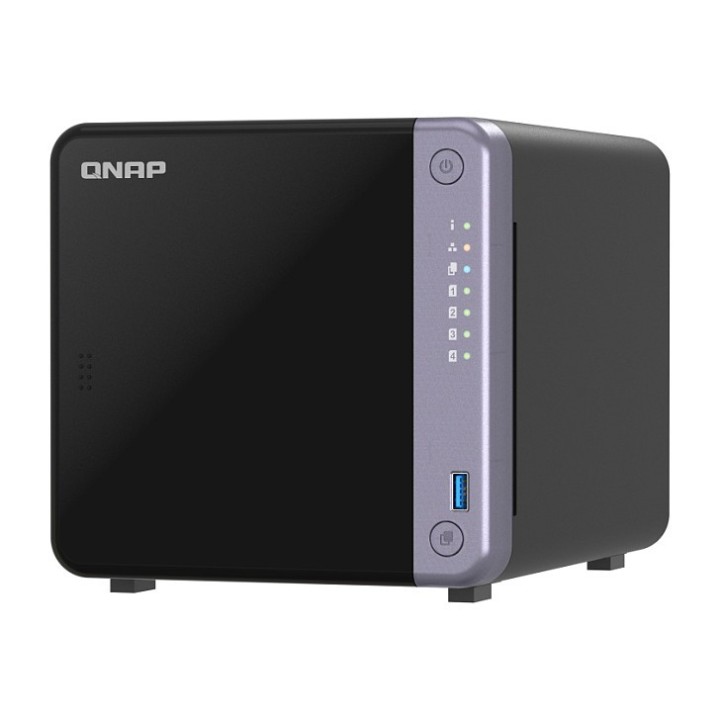
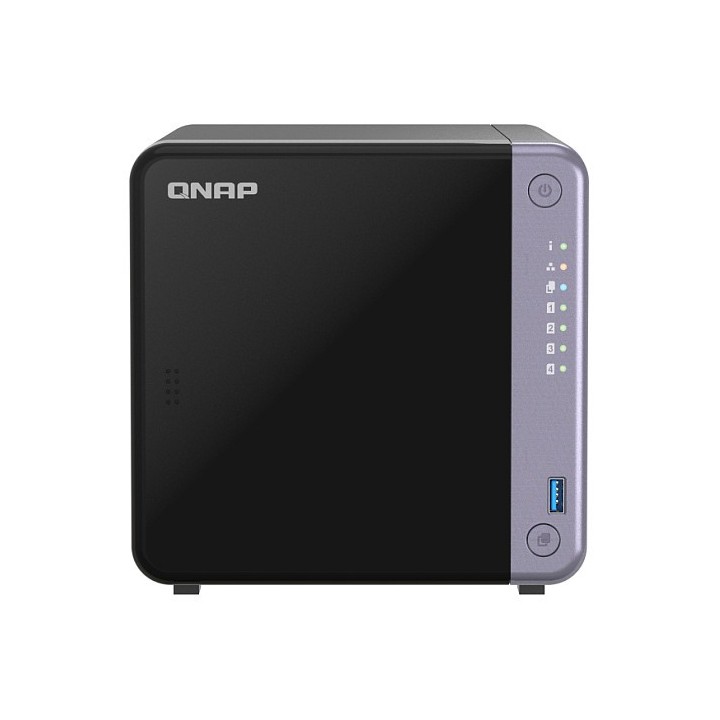
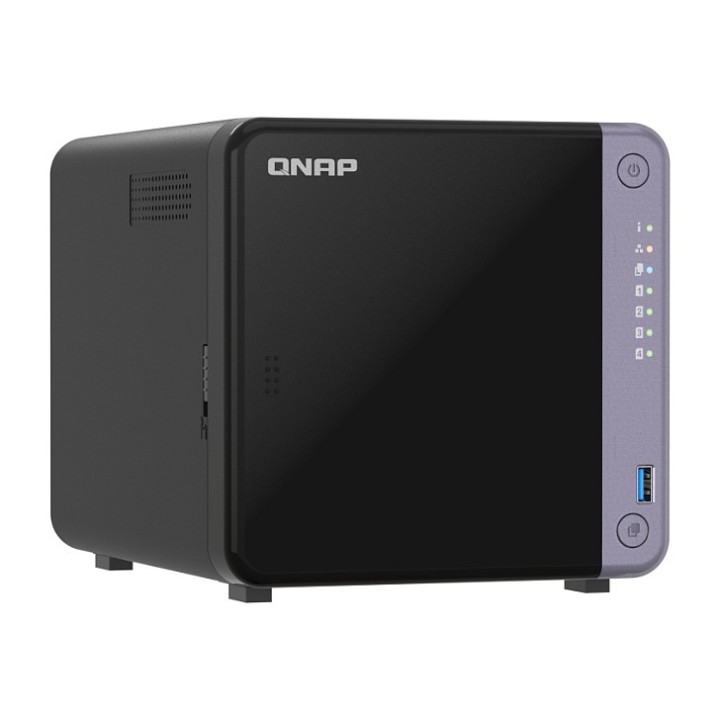
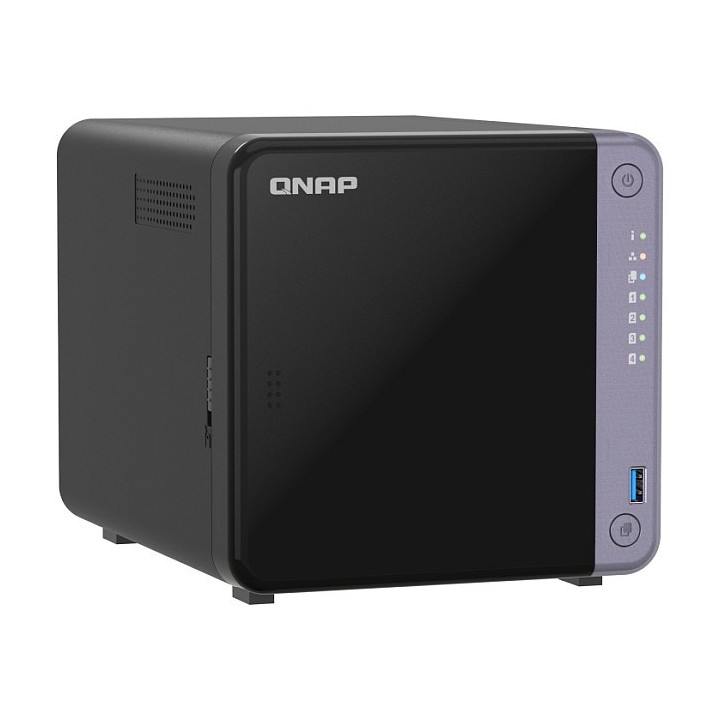
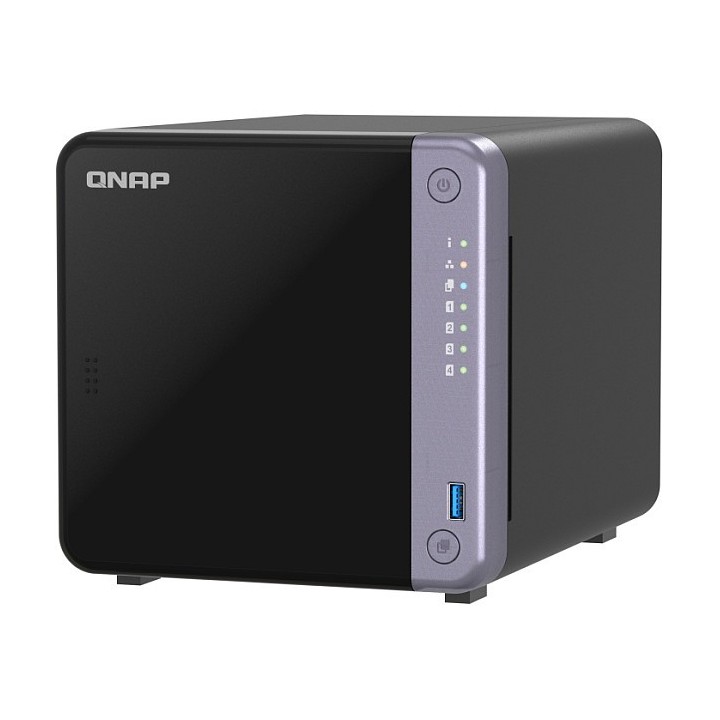
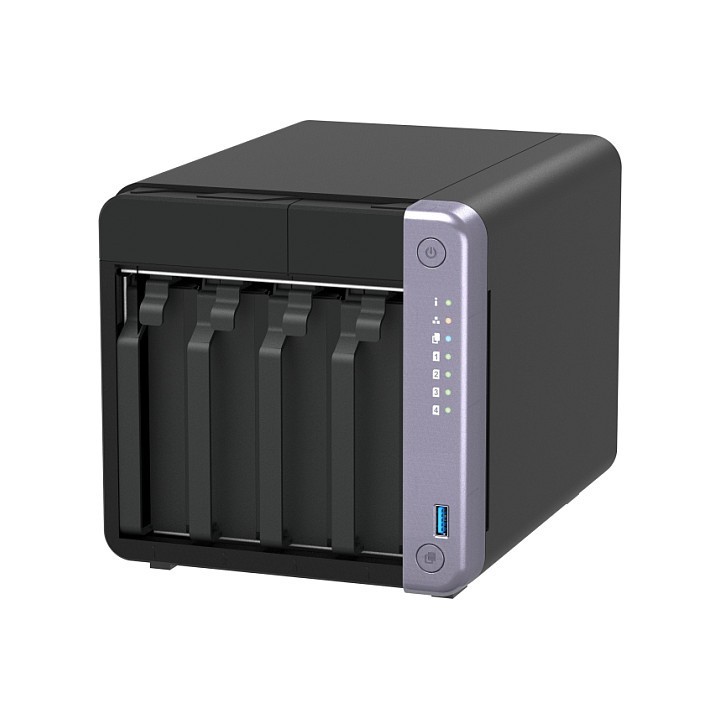
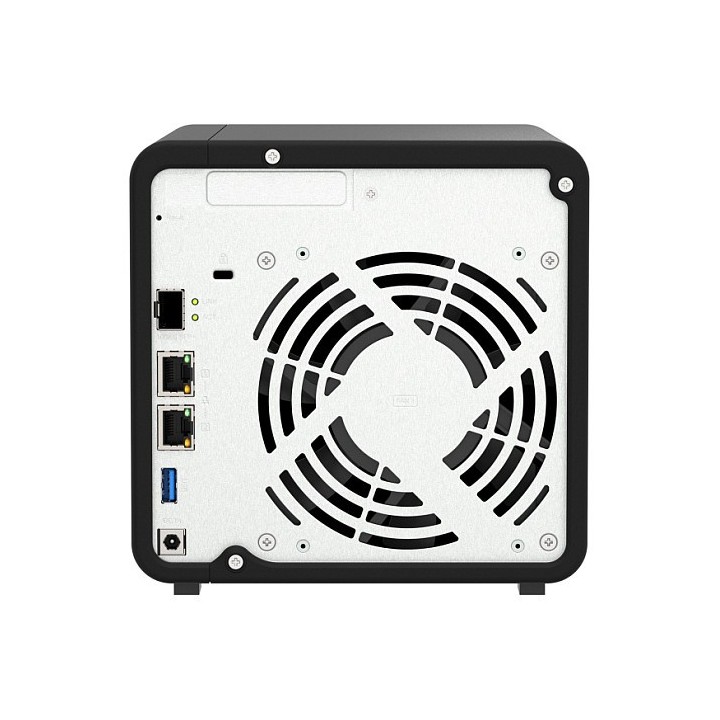
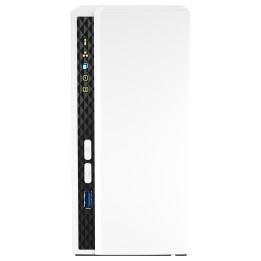
Serwer plików NAS QNAP TS-432X-4G
QNAP GmbH
Karl-Arnold-Straße 26 47877 Willich Germany
E-mail: desales@qnap.com
Formularz kontaktowy: https://www.qnap.com/en/contact-us
Telefon: +49 2154 884280
QNAP GmbH
Karl-Arnold-Straße 26 47877 Willich Germany
E-mail: desales@qnap.com
Formularz kontaktowy: https://www.qnap.com/en/contact-us
Telefon: +49 2154 884280
List of file server security warnings (NAS) based on the requirements of General Product Safety Regulation (EU) 2023/988 (GPSR): 1. Risk of electric shock: * Make sure that the device is connected to a working socket with grounding. * Do not touch the plug or cable with wet hands. * Avoid using the device in places with high humidity. 2. Risk of overheating: * Provide adequate ventilation while maintaining at least 5 cm of free space around the device. * Do not block ventilation openings. * Do not place the server in enclosed spaces without proper ventilation. 3. Fire risk: * Use only original power supplies and accessories recommended by the manufacturer. * Do not leave the device on unattended near flammable materials. 4. Risk of bodily injury: * Use the device on a stable surface to minimize the risk of falling. 5. Hazards in humid environments: * Do not use the server in places with high humidity. * If the device is flooded, immediately disconnect it from the power source and contact the service. 6. Hazards at high temperatures: * Do not expose the device to direct sunlight. * Avoid using the server at temperatures above the recommended range (usually 5-35°C). 7. Risk of damage during cleaning: * Disconnect the server from the power supply before cleaning and use a soft, slightly damp cloth. * Avoid using strong detergents that can damage the surface of the device. 8. Caution when replacing accessories: * Use only the accessories recommended by the manufacturer. * When replacing batteries, follow the manufacturer's instructions and do not expose the battery to high temperatures. 9. Risks associated with battery use: * Avoid damage to the battery by impact or puncture. * If the battery overheats or swells, stop using the device immediately. 10. Warnings for children: * Keep power cables out of reach of children. * Make sure that children do not play with the device or accessories that can be dangerous. 11. Risk of data loss: * Back up data stored on the server regularly. * Protect access to your device with a password. 12. Power failures: * Consider using an emergency power supply (UPS) to protect your data in the event of power outages. 13. Loss of connectivity: * Protect your server from unauthorized physical access. * Update server software regularly. 14. Hacking attacks: * Use strong passwords and change them regularly. * Enable firewall. * Install antivirus software. * Monitor server logs for suspicious activity. 15. Mechanical damage: * Protect your server from drops, bumps, and other mechanical damage. * Do not place heavy objects on the server. 16. Electromagnetic interference: * Make sure the server is placed in a place where there is no strong electromagnetic interference. * Use proper cable shielding.
Produkty, które ostatnio zwróciły Twoją uwagę.