- Nowy
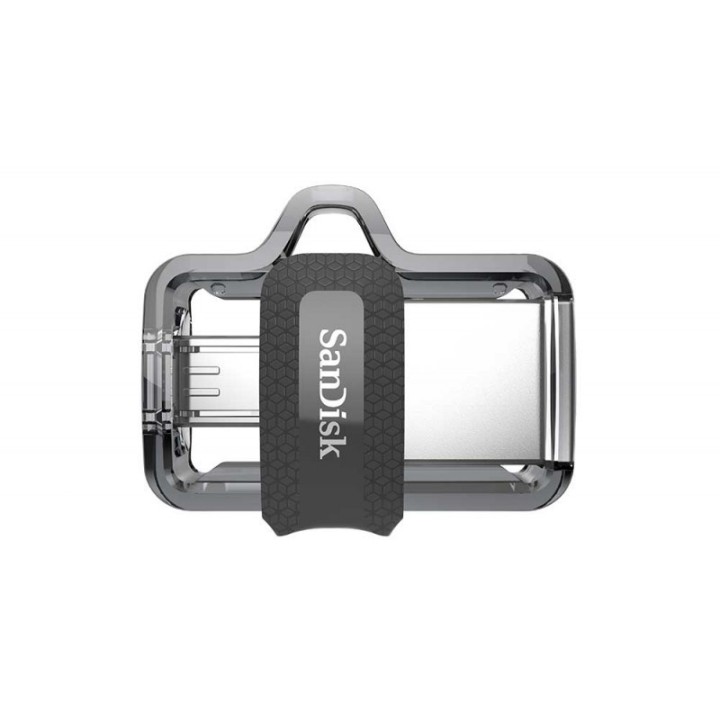
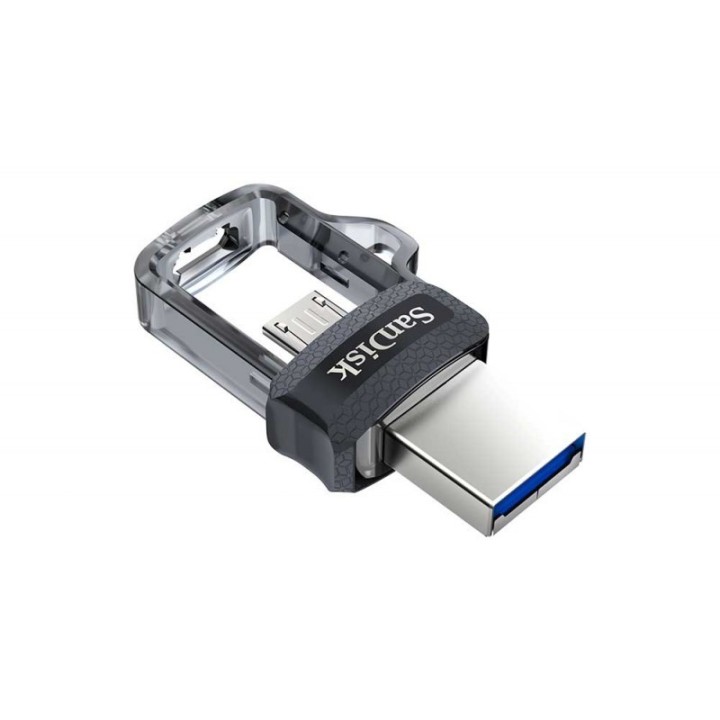
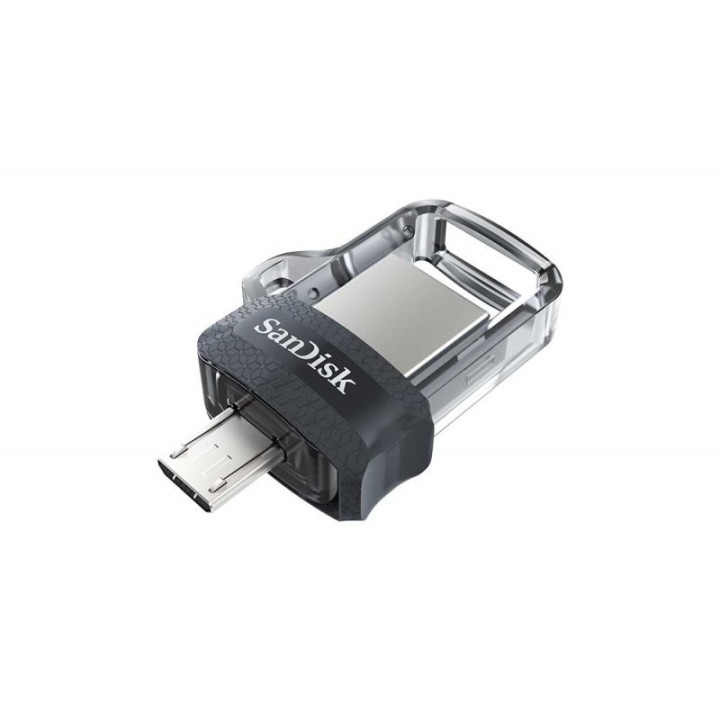
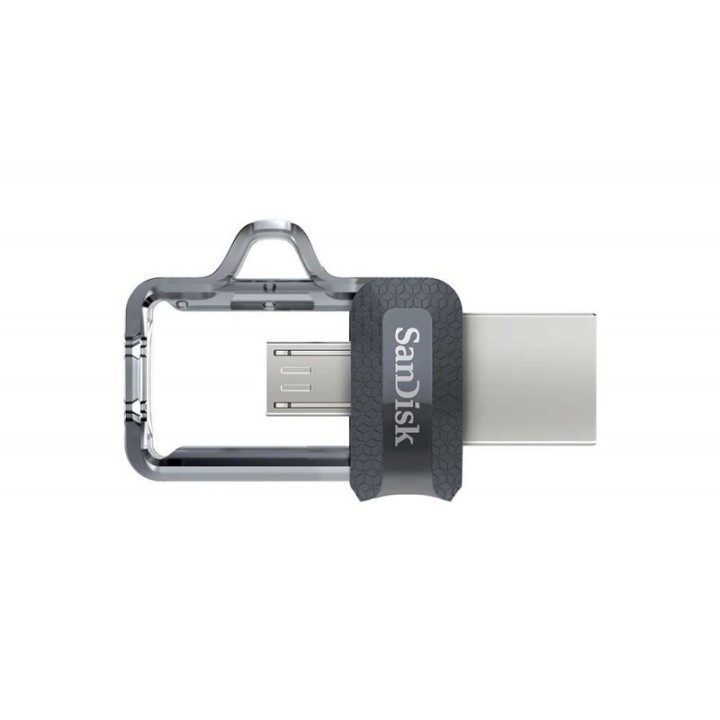
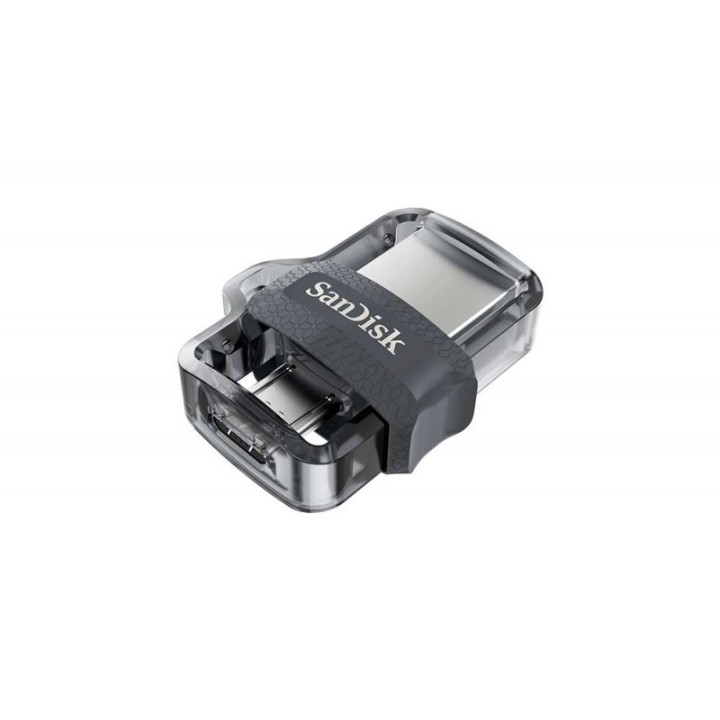
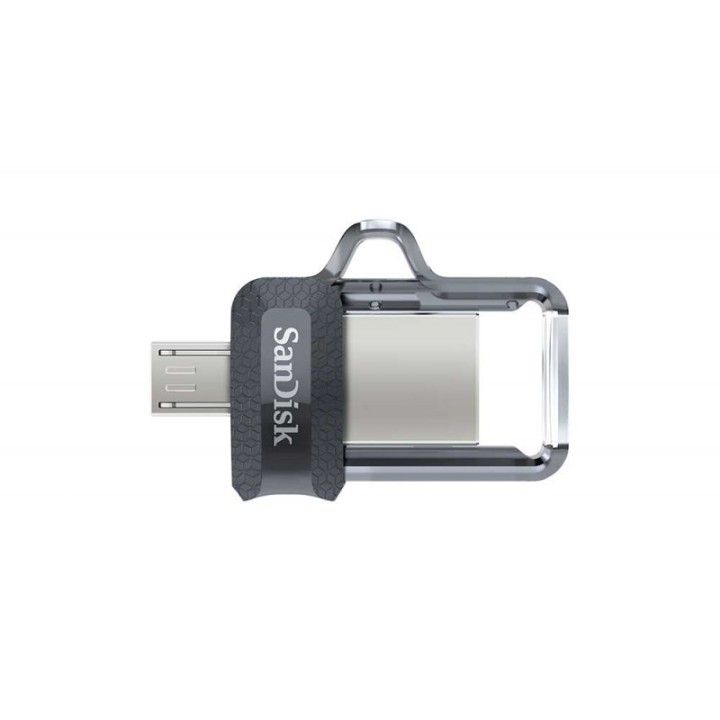
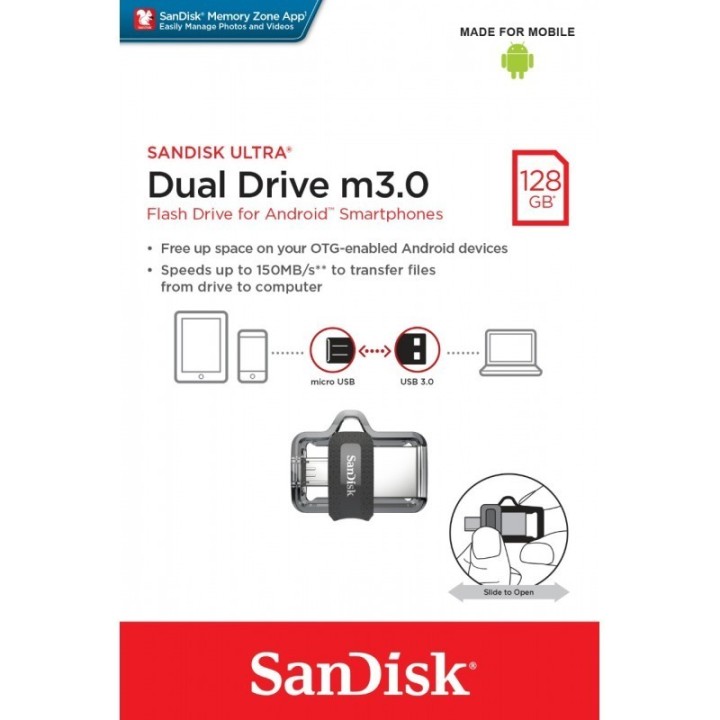
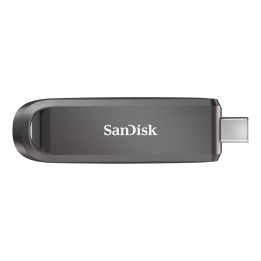
Łatwe i szybkie przesyłanie plików pomiędzy smartfonami i tabletami z systemem Android obsługującymi OTG1, a komputerami klasy PC i Mac. Wystarczy podłączyć pamięć SanDisk Ultra Dual Drive m3.0 to gniazda micro-USB na urządzeniu z Androidem, by móc zapisywać na niej do 128 GB danych, zwalniając miejsce na nowe zdjęcia, nagrania wideo, muzykę i nie tylko. Standard szybkiego przesyłu danych USB 3.0 umożliwia szybkie przesyłanie plików z pamięci na komputer z prędkością dochodzącą do 150 MB/s . Teraz przesłanie pełnometrażowego filmu na pamięć trwa o wiele krócej w porównaniu ze standardową pamięcią USB 2.0.
Aplikacja SanDisk Memory Zone (dostępna na Google Play) pomaga zarządzać pamięcią na tablecie lub telefonie, ułatwiając przenoszenie, otwieranie, kopiowanie lub tworzenie kopii zapasowej zdjęć i nagrań na pamięci USB, dzięki czemu nigdy nie braknie nam miejsca na robienie zdjęć i nagrywanie wideo.
Sandisk Technologies Inc.
100 Lakeshore Drive K67D89 Swords Ireland
E-mail: support@wdc.com
Formularz kontaktowy: https://shop.sandisk.com/support
Telefon: +353 1 895 3000
List of warnings regarding the security of portable memory based on the requirements of Regulation (EU) 2023/988 on general product safety (GPSR): 1. Risk of data corruption: * Make sure the memory is properly disconnected from the device before removing. Sudden disconnection can cause data loss or memory corruption. * Make regular backups of data from memory on another media. * Avoid inserting a USB stick into devices you are not familiar with. They may be infected with malware. 2. Risk of mechanical damage: * Protect your memory from drops, bumps, and other mechanical damage. * Do not expose memory to excessive pressure or bending. 3. Risk of overheating: * Do not leave memory in places exposed to direct sunlight or at high temperatures. * Avoid prolonged memory use in enclosed spaces without proper ventilation. 4. Risk of contact with liquids: * Protect memory from contact with water and other liquids. * If memory is flooded, dry it immediately and do not use it until you are sure it is completely dry. 5. Electrical risk: * Do not use a damaged USB stick. * Do not touch the metal parts of the USB stick with wet hands. 6. Choking risk (small parts): * Keep memory and its components out of reach of children to prevent accidental ingestion. 7. Compatibility: * Make sure the memory is compatible with the device you are connecting it to. 8. Cleaning: * Clean memory with a dry, soft cloth. Do not use cleaners containing solvents. 9. Storage: * Store your memory in a dry and clean place. 10. Disposal: * Dispose of used memory in accordance with local regulations on electronic waste.
Produkty, które ostatnio zwróciły Twoją uwagę.