- Nowy
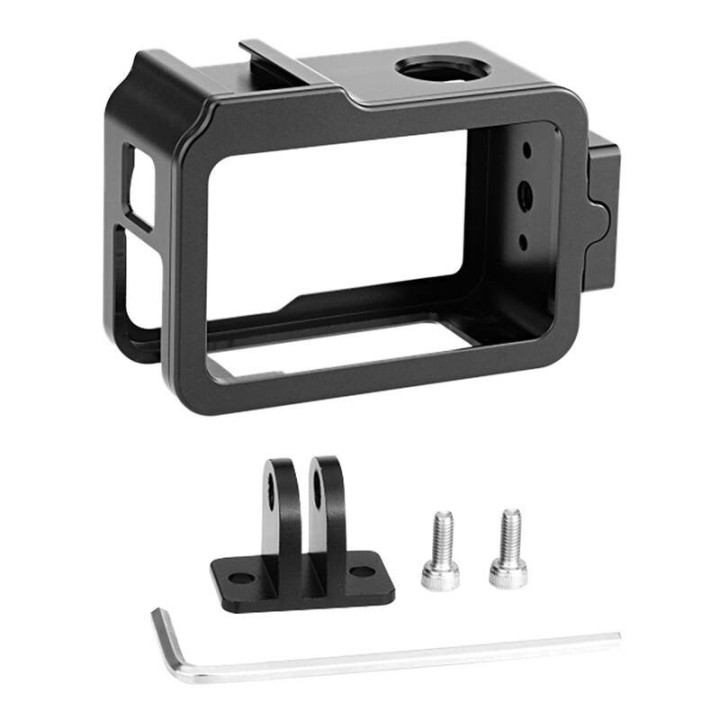
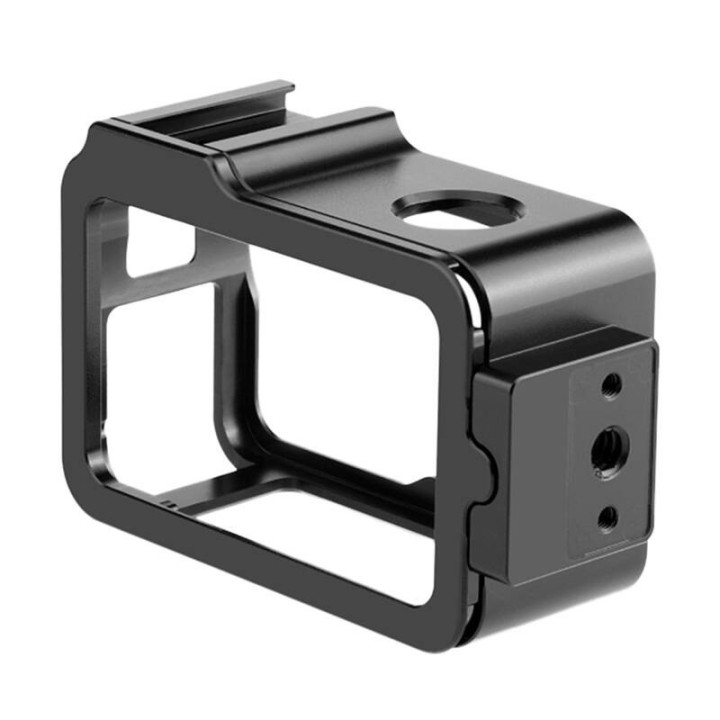
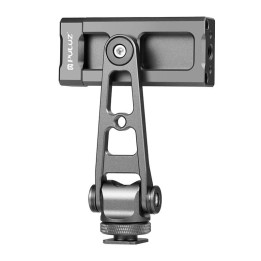
Zadbaj o ochronę swojej kamery DJI Osmo Action 4 / 3, a jednocześnie zyskaj więcej możliwości nagrywania. Metalowa obudowa PULUZ skutecznie zabezpieczy urządzenie przed uszkodzeniem, a dzięki mocowaniu typu zimna stopka i otworowi ¼ cala pozwoli na montaż dodatkowych akcesoriów. Produkt jest też bardzo prosty w instalacji – zajmie to tylko chwilę.

Do wykonania obudowy zastosowano wysokiej jakości stop aluminium, co przekłada się na jej trwałość i wytrzymałość. Dzięki temu akcesorium może zapewnić Twojej kamerze niezawodną ochronę! Co więcej, produkt idealnie pasuje do kształtu modeli DJI Osmo Action 3 i DJI Osmo Action 4 – nie będzie w żaden sposób wpływać na ich obsługę. Obudowa gwarantuje też doskonałe odprowadzanie ciepła. Nie musisz więc się martwić, że Twoja kamera będzie się przegrzewać!

Obudowa została wyposażona w otwór ¼ cala, który pozwala wygodnie zamontować umieszczoną w niej kamerę na przykład na statywie lub selfie sticku. Do dyspozycji masz także mocowanie typu cold shoe, które umożliwia montaż takich akcesoriów jak dodatkowe oświetlenie czy mikrofon.

List of safety warnings for sports cameras based on the requirements of Regulation (EU) 2023/988 on General Product Safety (GPSR) 1. Risk of damage to equipment: * Make sure the camera is properly attached before starting sports activities to avoid falling or damaging it. * Pay attention to the specifications for shock and vibration resistance. * Use only original accessories to ensure proper operation and safety. 2. Battery risk: * Do not expose the battery to extreme temperatures or moisture to prevent damage or explosion. * Use only chargers recommended by the manufacturer. * Do not store the camera with the battery discharged for a long time to avoid damaging it. * If the battery swells or shows other signs of damage, stop using it immediately and contact the service. 3. Risk of water resistance loss: * Check that the waterproof housing is properly closed before use in water. * Do not exceed the permissible immersion depth specified by the manufacturer. * Avoid contact with seawater, which can damage the seals. 4. Risk of overheating: * Do not use the camera in extreme temperatures. * Avoid direct sunlight, which can cause overheating. * Provide adequate ventilation, especially when recording in high definition. 5. Risk of injury: * Beware of sharp edges or fasteners that can cause cuts. * When mounting the camera on the helmet, make sure that it does not limit the field of view or pose an additional threat. 6. Risks associated with wires and power supply: * Use only power supplies and cables supplied or recommended by the manufacturer to avoid electric shock or damage to the device. * Do not use damaged wires. 7. Data risk: * Back up your camera data regularly to avoid losing important recordings. * Use memory cards that comply with the manufacturer's recommendations to prevent crashes and data loss. 8. Electromagnetic interference risks: * Turn off the camera in places where the use of electronic devices is prohibited, e.g. in hospitals or airplanes. * Use the camera in accordance with local radio wave emission regulations. 9. Warnings for use by children: * Keep the camera and accessories out of reach of children. * Do not allow children to use the camera on their own without supervision. 10. Ensuring the safety of others: * Make sure that using the camera does not pose a threat to others nearby. * Comply with local recording laws in public places and respect the privacy of others.
Produkty, które ostatnio zwróciły Twoją uwagę.