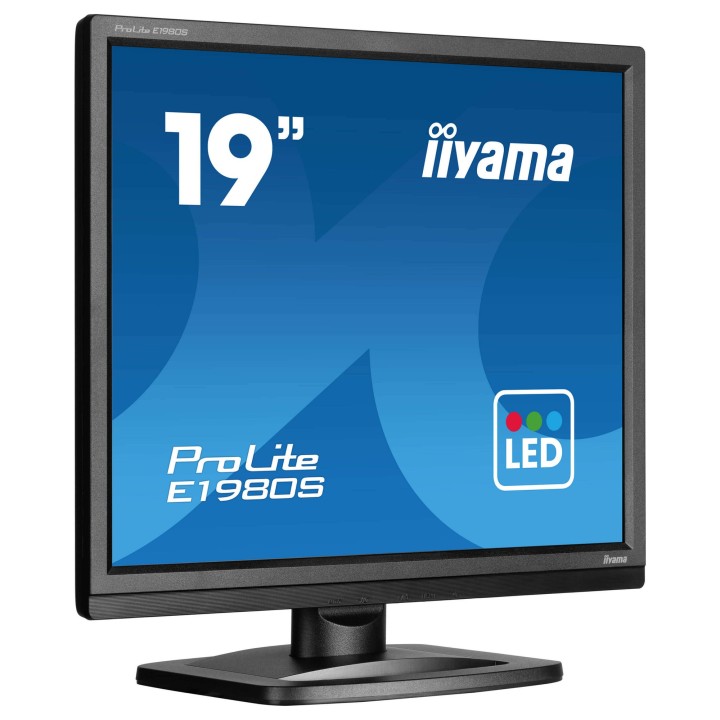
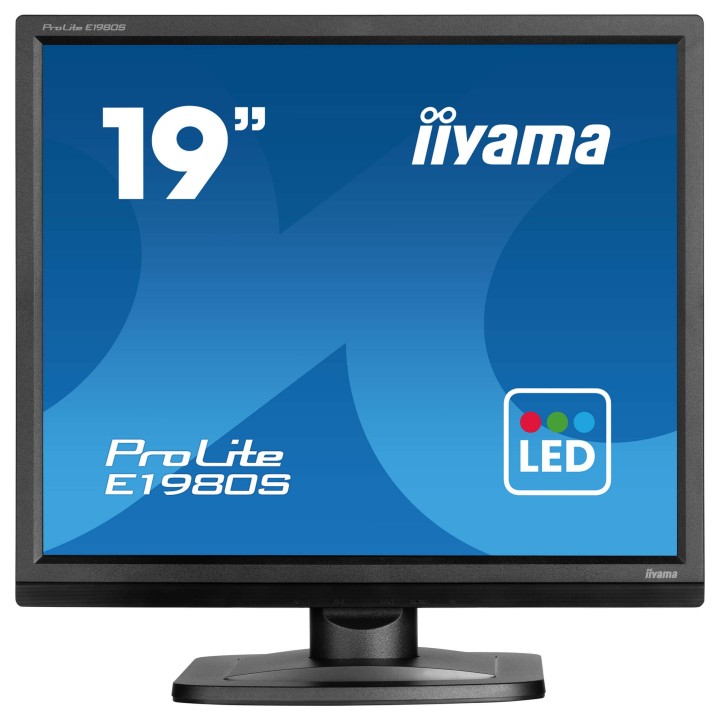
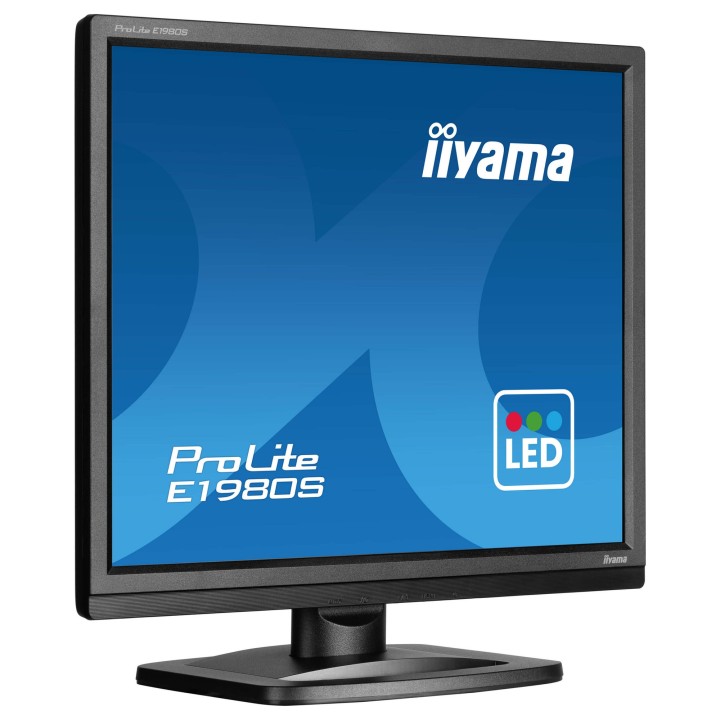
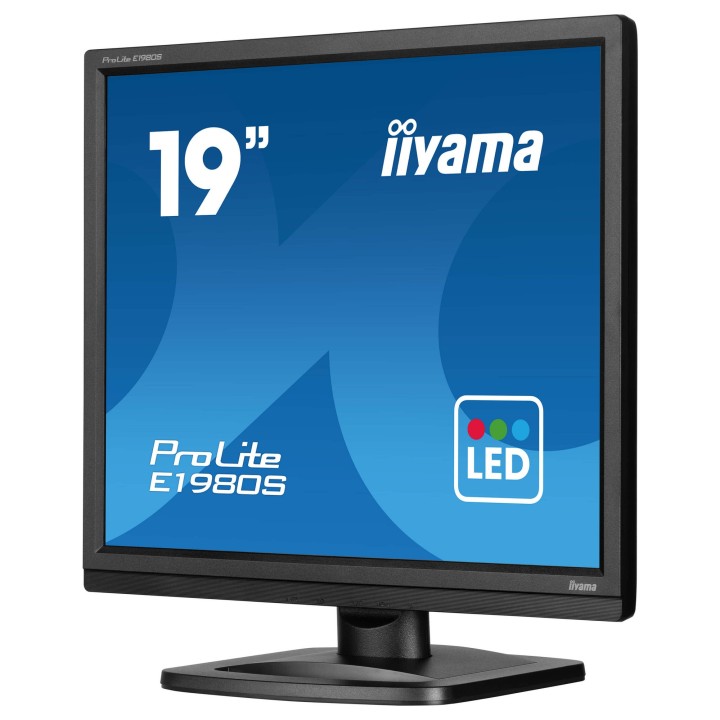
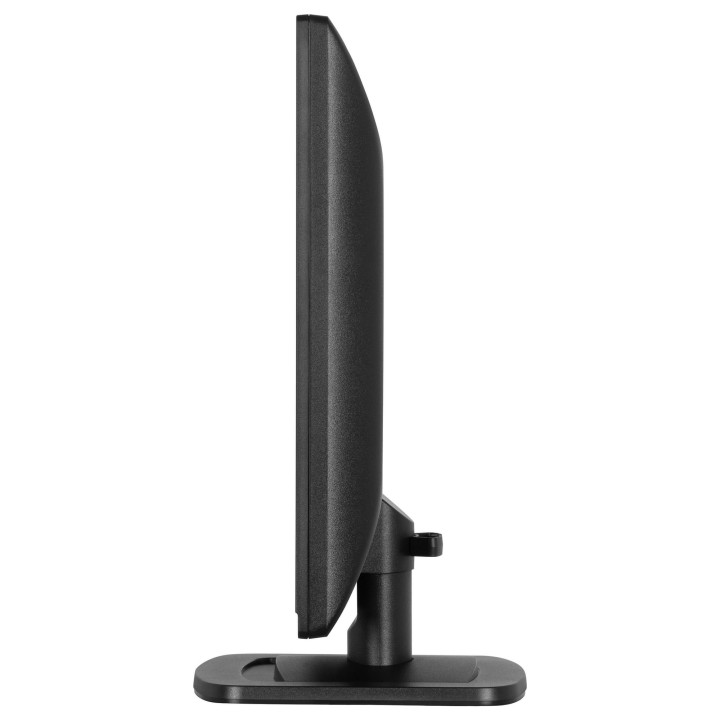
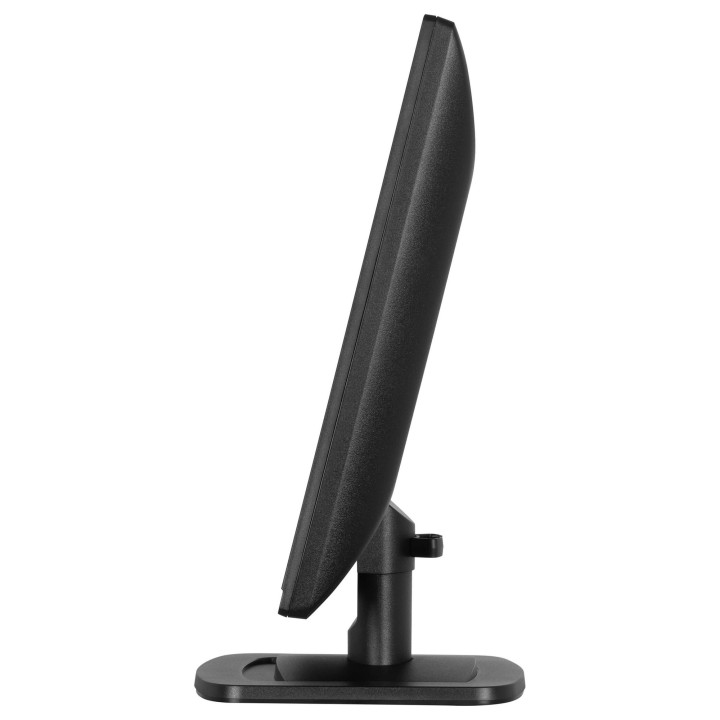
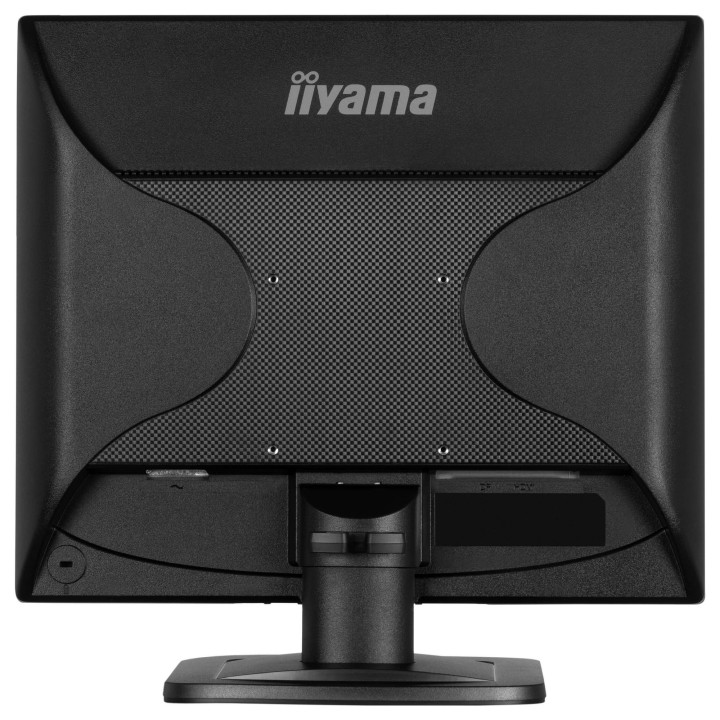
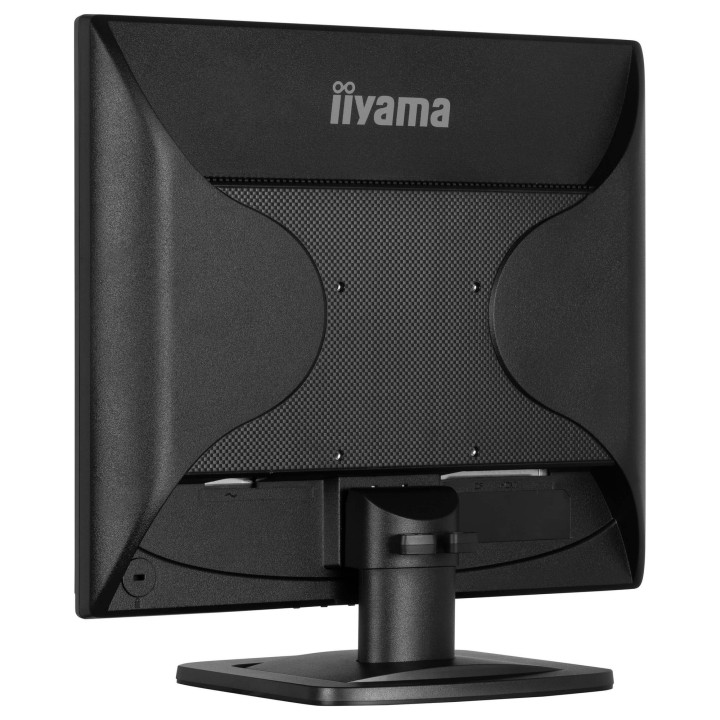
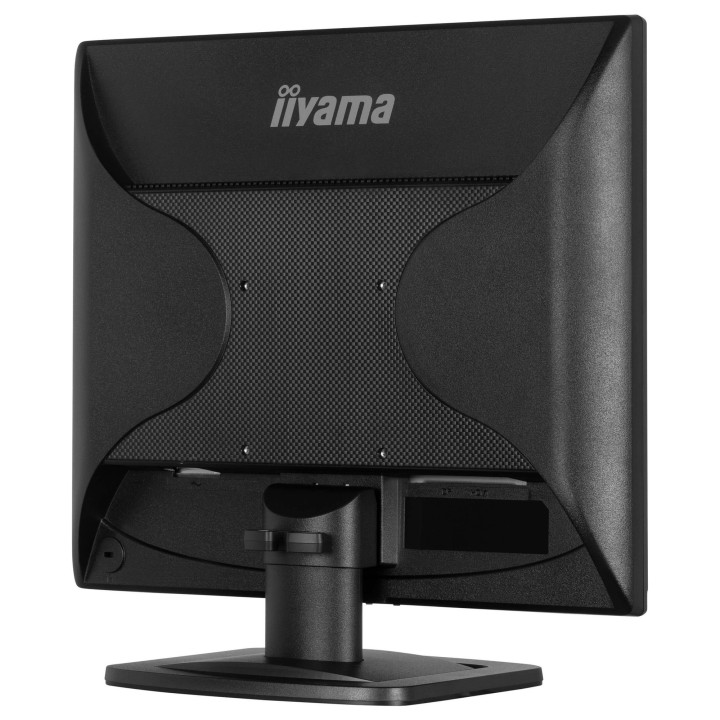
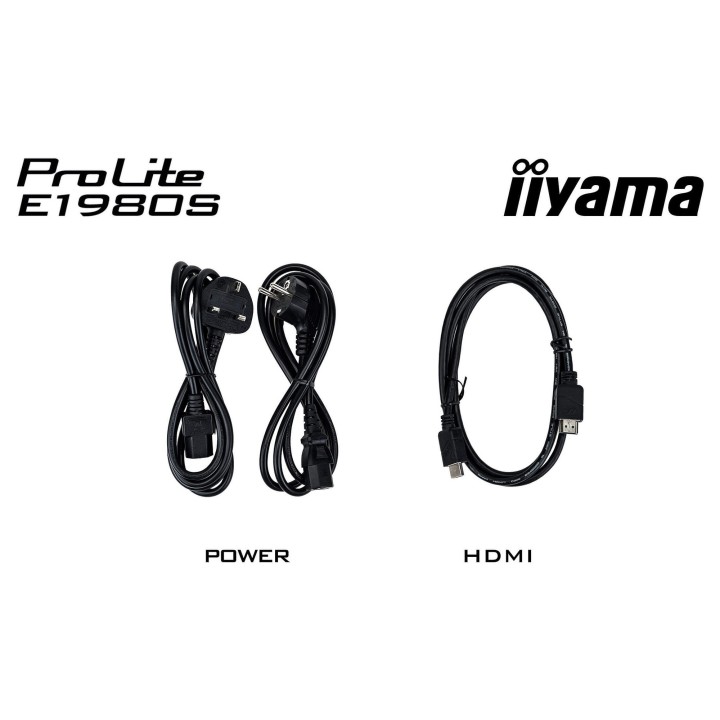
19.0/48.3cm iiyama ProLite E1980S *schwarz* 5:4

Cena: 679,99 zł
Brutto
Dostępność produktu: Dostępny 20 szt.
Czas dostawy Wysyłka w ciągu 2 dni roboczych
Koszt dostawy Bezpłatna dostawa od 250 zł.

Opis produktu

iiyama ProLite E1980S-B1. Długość przekątnej ekranu: 48.3 cm (19"). Rozdzielczość: 1280 x 1024 px. Typ HD: VGA. Technologia wyświetlacza: LED. Powierzchnia wyświetlacza: Matowy. Czas odpowiedzi (typowy): 3 ms. Natywne proporcje obrazu: 5:4. Kąt widzenia (poziomy): 170°. Kąt widzenia (pionowy): 160°. Wbudowane głośniki. Standard VESA. Kolor produktu: Czarny

Specyfikacja

  • Długość przekątnej ekranu: 48.3 cm (19")
  • Rozdzielczość: 1280 x 1024 px
  • Typ HD: VGA
  • Technologia wyświetlacza: LED
  • Typ ekranu: TN
  • Jasność wyświetlacza (typowa): 250 cd/m²
  • Czas odpowiedzi (typowy): 3 ms
  • Typ pomiaru czasu reakcji: GTG (Gray to Gray)
  • Powierzchnia wyświetlacza: Matowy
  • Kształt ekranu: Płaski
  • Maksymalna częstotliwość odświeżania: 75 Hz
  • Kąt widzenia (poziomy): 170°
  • Kąt widzenia (pionowy): 160°
  • Kolory wyświetlacza: 16.7 miliona kolorów
  • Rozmiar plamki: 0.294 x 0.294 mm
  • Zasięg skanowania w poziomie: 30 - 80 kHz
  • Rozmiar obrazu (w poziomie): 37.6 cm
  • Rozmiar obrazu (w pionie): 30.1 cm
  • Długość przekątnej ekranu (cm): 48 cm
  • Standard gamy kolorów: NTSC. sRGB
  • Pokrycie sRGB (typowe): 99%
  • Pokrycie NTSC (typowe): 72%
  • Ilość głośników: 2
  • Moc wyjściowa (RMS): 4 W
  • Feature: OSD
  • Pozycjonowanie na rynku: Biznes
  • Kolor produktu: Czarny
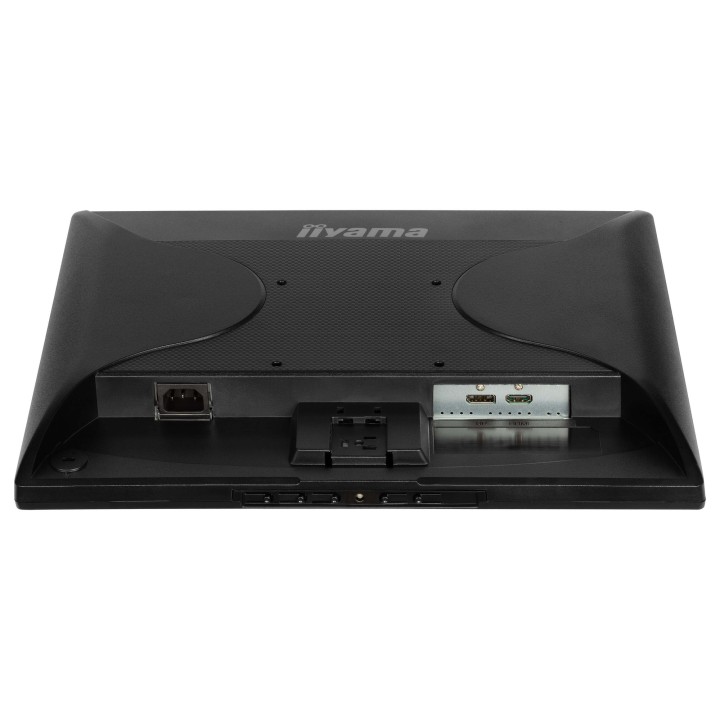
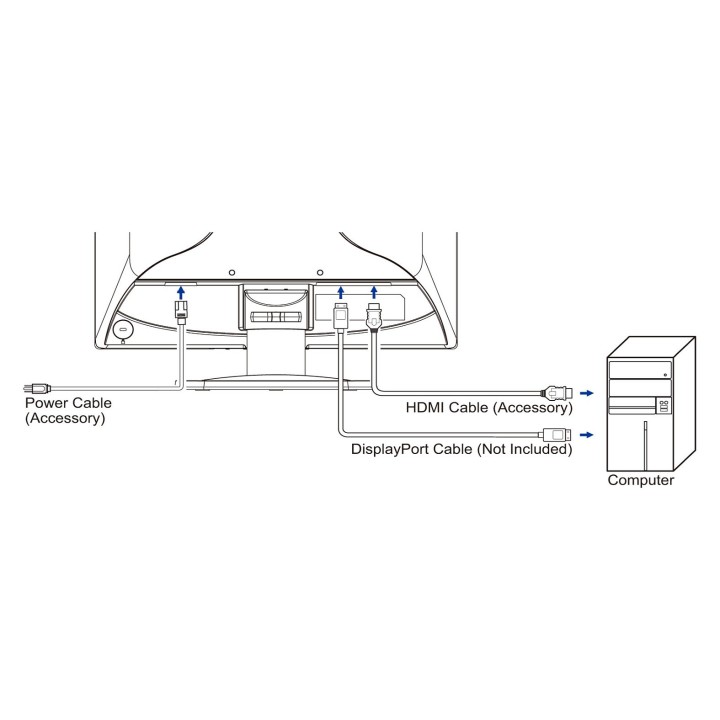
  • Ilość portów HDMI: 1
  • Ilość DisplayPort: 1
  • Interfejs do montażu panelu: 100 x 100 mm
  • Typ gniazda zamka kabla: Kensington
  • Zakres kąta nachylenia: 5 - 23°
  • Języki menu ekranowego: Czeska. Niemiecki. Holenderski. Angielski. Hiszpański. Francuska. Włoski. Japońska. Polski. Portugalski. Rosyjski
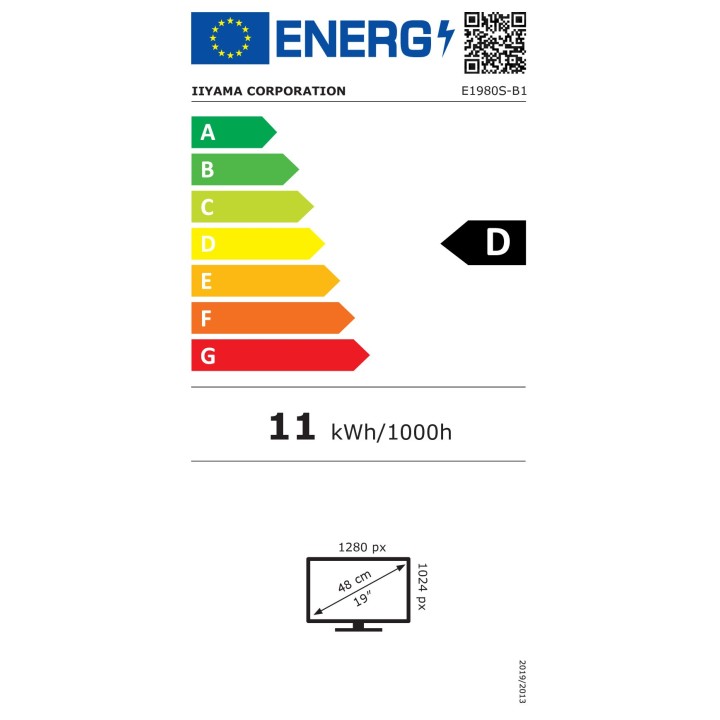
  • Klasa efektywności energetycznej (SDR): D
  • Klasa efektywności energetycznej (HDR): Niedostępny
  • Zużycie energii (SDR) na 1000 godzin: 11 kWh
  • Pobór mocy: 12 W
  • Pobór mocy w trybie czuwania: 0.3 W
  • Tryb wyłączenia: 0.3 W
  • Napięcie wejściowe AC: 100 - 240 V
  • Częstotliwość wejściowa AC: 50/60 Hz
  • Typ zasilacza: Wewnętrzny
  • Skala efektywności energetycznej: Od A do G
  • Szerokość urządzenia (z podstawą): 411 mm
  • Głębokość urządzenia (z podstawą): 204.5 mm
  • Wysokość urządzenia (z podstawą): 402 mm
  • Waga (z podstawą): 3.1 kg
  • Szerokość (bez podstawy): 411 mm
  • Głębokość (bez podstawy): 245.5 mm
  • Wysokość (bez podstawy): 453 mm
  • Szerokość opakowania: 474 mm
  • Głębokość opakowania: 474 mm
  • Wysokość opakowania: 427 mm
  • Waga wraz z opakowaniem: 4.1 kg
  • Rodzaj opakowania: Pudełko
Szczegóły produktu

  • Marka IIYAMA
  • Kod produktu 6825decec36ec709f7502318
  • Dostępność 20 Przedmioty
  • EAN13 4948570125418
  • MPN E1980SB1

Specyfikacja

  • Przekątna ekranu (cal) 19 cal
  • Czas reakcji GtG (ms) 3 ms
  • Rozdzielczość natywna 1280 × 1024
  • Typ matrycy TN
  • Częstotliwość odświeżania (Hz) 75 Hz
  • Ekran dotykowy Nie
  • Zakrzywiony ekran Nie
  • Standard VESA 100 × 100
  • Pivot Nie

Producent

Producent

IIYAMA International Corporate Headquarters

Wijkermeerstraat 8, 2131 HA Hoofddorp 2131 HA Hoofddorp Netherlands

Formularz kontaktowy: https://iiyama.com/gl_en/support#product-support

Telefon: +31 20 446 0404

Bezpieczeństwo

Informacje o bezpieczeństwie

List of computer monitor safety warnings based on the requirements of General Product Safety Regulation (EU) 2023/988 (GPSR): * Risk to vision: Long-term gazing at the monitor screen may cause eye strain, dry eyes or headaches. * Limit the working time with the monitor. * Take regular breaks. * Maintain proper distance from the screen. * Ensure proper lighting in the room. * Set the brightness and contrast of the monitor to a comfortable level. * Ergonomics: Incorrect position when working with the monitor can lead to back, neck, and shoulder pain. * Set the monitor to the correct height so that the top edge of the screen is at eye level or slightly below. * Use an adjustable chair and desk to ensure an ergonomic position. * Maintain proper posture while sitting. * Risk of electric shock: Improper use or damage to the monitor can lead to electric shock. * Do not use the monitor in humid environments. * Do not touch the monitor with wet hands. * Do not put any items inside the monitor. * If the power cable is damaged, replace it with a new one. * Disconnect the monitor from power before cleaning. * Fire risk: Overheating or short circuiting in the monitor can cause a fire. * Do not cover the ventilation holes of the monitor. * Do not place the monitor near heat sources. * Use only the original power supply that came with your monitor. * If the monitor overheats, disconnect it from power immediately. * Mechanical damage: The fall of the monitor can cause damage and pose a threat to the user. * Set the monitor on a stable surface. * Secure cables to avoid accidental tripping. * For monitor transport, use appropriate protective packaging. * Cleaning: Improper cleaning of the monitor can damage the screen or cause other problems. * Use only a soft, dry cloth to clean the screen. * Do not use cleaning products containing alcohol, ammonia or other corrosive substances. * Disconnect the monitor from power before cleaning. * Disposal: Incorrect disposal of the monitor can pose a threat to the environment. * Return the used monitor to the e-waste collection point. * Do not throw the monitor in a regular trash can. * Children: The monitor is not a toy and should not be used by children without supervision. * Make sure children do not touch the power cables. * Make sure kids don't play around with the monitor packaging. * Repairs: Do not try to repair the monitor yourself. * Any repairs should be done by qualified personnel. * Monitor portability: Be careful when moving your monitor. * Disconnect all cables before moving. * Use appropriate packaging. * Weather conditions: Do not expose the monitor to extreme temperatures or moisture. * Protect your monitor from direct sunlight. * Adjustable settings: Do not use extreme brightness or contrast settings. * These can cause faster eye strain. * Noise: If the monitor makes disturbing noises, turn it off immediately. * Contact the technical service. * Environmental protection: Be sure to turn off the monitor when not in use. * You save energy this way. * Software: Use only the software provided by the manufacturer. * You will avoid compatibility issues.

Ładowanie...
Wróć na górę