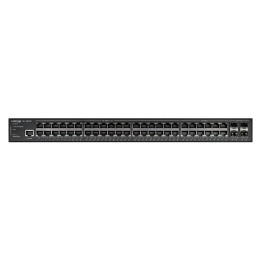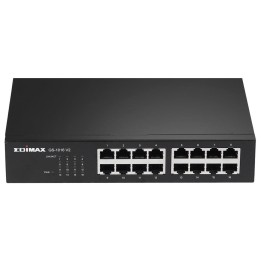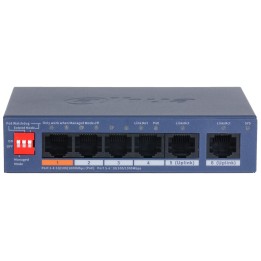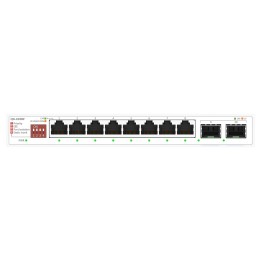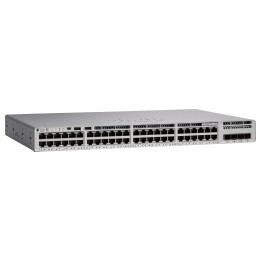
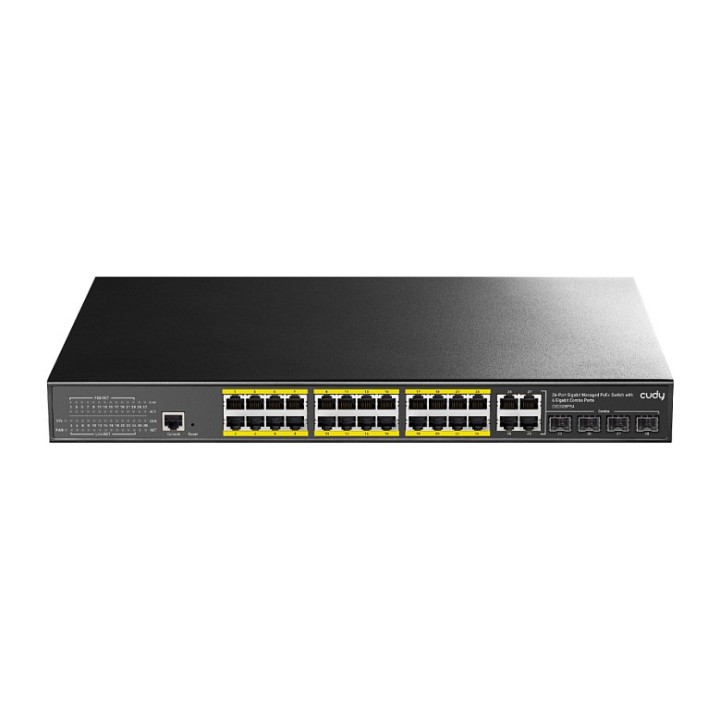
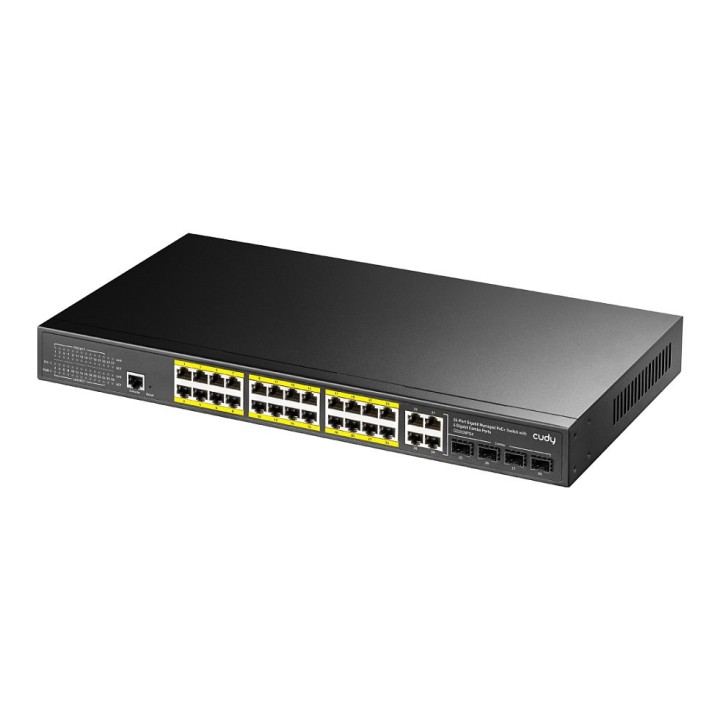
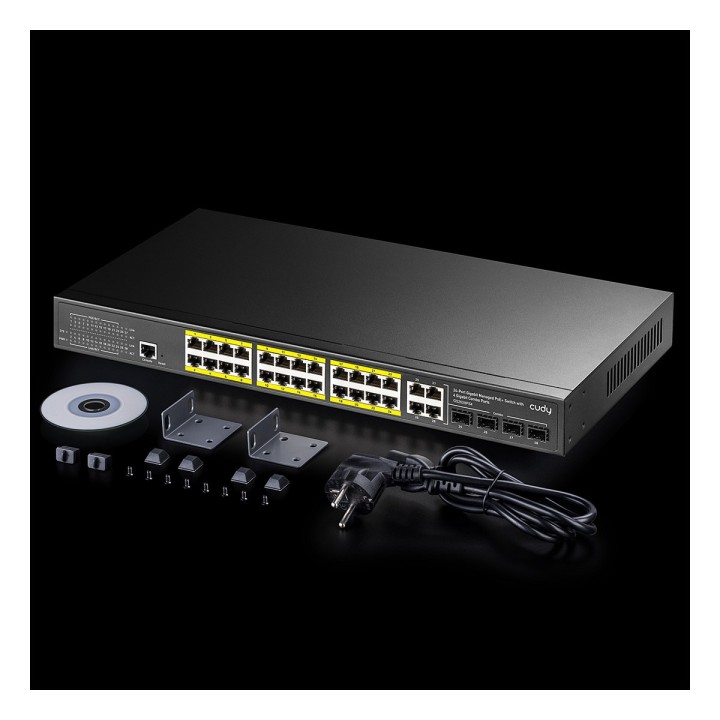
Przełącznik GS2028PS4-300W 24GE PoE+ 300W 4SFP

Cena: 1 363,49 zł
Brutto
Dostępność produktu: Dostępny 8 szt.
Czas dostawy Wysyłka w ciągu 2 dni roboczych
Koszt dostawy Bezpłatna dostawa od 250 zł.

Opis produktu

GS2028PS4 24-portowy zarządzalny gigabitowy przełącznik PoE+ z 4 gigabitowymi portami combo

  • 24 porty Gigabit POE, 4 porty Gigabit Combo, 1 port konsolowy
  • Kompatybilne z IEEE802.3at and IEEE802.3af
  • Port Ethernet obsługuje funkcje adaptacyjne 10/100/1000M i POE
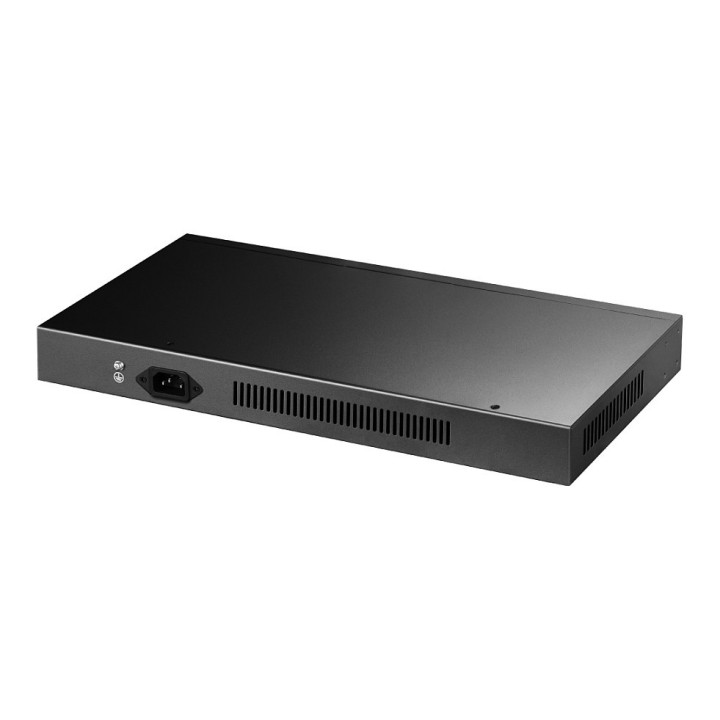
  • Konstrukcja bez wentylatora, naturalne chłodzenie, montaż w stojaku 1U
  • Wsparcie WEB, TELNET, CLI, SSH, SNMP, RMON management
  • Wsparcie POE Power Management
  • Lightning Protection Surge

Specyfikacja

  • Klasa przełącznika: Zarządzalny
  • Zastosowanie (switche): Średnie i duże firmy (powyżej 16 portów)
  • Warstwa przełączania (switche): L2
  • Architektura sieci (switche): GigabitEthernet
  • Liczba portów 10/100 Mbps: Brak
  • Liczba portów 10/100/1000 Mbps: 28
  • Liczba portów 10/100/1000/2500 Mbps: Brak
  • Liczba portów 10Gb: Brak
  • Liczba portów PoE (PoE + PoE+): Brak
  • Liczba portów PoE+: 24
  • Liczba portów COMBO: 4
  • Liczba portów SFP: 4
  • Liczba portów SFP+: Brak
  • Liczba portów SFP56: Brak
  • Liczba portów QSFP+: Brak
  • Port konsoli: Tak
  • Tryb przekazywania: Store-and-forward
  • Przepustowość (switche Gbps): 56 Gb/s
  • Prędkość przekazywania (Mpps): 41.66 Mpps
  • Bufor pakietów: 4 MB
  • Rozmiar tablicy adresów MAC: 8000
  • Obsługa ramek Jumbo: Tak
  • Rozmiar ramki Jumbo: 9.6 KB
  • Możliwość łączenia w stos: Nie
  • Liczba grup VLAN (tylko mng i smart): 4096
  • VLAN: Access Trunk Hybrid Support port, protocol, MAC-based VLAN partitioning Support GVRP dynamic VLAN registration Voice VLAN
  • Obsługiwane protokoły i standardy: IEEE 802.3 IEEE 802.3u IEEE 802.3ab/ad/az/af/at IEEE 802.3x IEEE 802.1q IEEE 802.1p
  • QoS: Based on 802.1p (COS) classification Based on the DSCP classification Classification based on source IP, destination IP and port number Support SP, WRR scheduling strategy Support flow rate limit CAR
  • Bezpieczeństwo: DOS defense Support CPU protection and limits the rate of sending CPU packets ARP binding (IP, MAC, PORT binding)
  • Zarządzanie, monitorowanie, konfiguracja: CLI: Support serial port command line management SSH: Support SSHv1/2 remote management TELNET: Support telnet remote management WEB: Support Layer 2 settings, Layer 2 and Layer 3 monitor SNMP: SNMP V1/V2/V3; Support trap: ColdStart, WarmStart, LinkDown, LinkUp RMON: Support RMON v1 POE: Support PoE power supply Support DHCP Snooping, Option82 Support dynamic ARP detection Support TACACS+ certification Support DNS certification Support port security settings Support MVR protocol Support cable detection VCT function Support UDLD protocol 
  • Funkcje L2: Port Management: Enable/Disable Port; Speed, Duplex, MTU Setting; Flow-control; Port Information Check Port Mirroring: Supports both side-way ports mirroring Port Speed Limit: Supports port-based input/output bandwidth management Port Isolation: Support the downlink port isolation and can communicate with the uplink port Storm Suppression: Supports unknown unicast, multicast, unknown multicast broadcast type storm suppression; Storm suppression based on bandwidth regulation and storm filtering Link Aggregation: Support static manual aggregation; Support LACP dynamic aggregation MAC: Support static addition, deletion; MAC addresses learning limit; Support dynamic aging time setting Spanning tree: Support STP spanning tree protocol, Supports RSTP Rapid Spanning Tree Protocol, Supports MSTP Rapid Spanning Tree Protocol Multicast: Support static addition, deletion, IGMP-snooping; Support MLD-Snooping; Support v1/2/3 dynamic multicast monitor DDM: Support SFP/SFP+DDM
  • Pozostałe funkcje: ACL: Based on source MAC, destination MAC, protocol type, source IP, destination IP, L4 port LLDP: Support LLDP link discovery protocol User settings: Add/delete users Log: User login, operation, status, events Certification: Support 802.1x port authentication; Support AAA certification Network diagnosis: Support ping, telnet, trace System Management: Device reset, configuration save/restore, upgrade management, time setting, etc.
  • Typ obudowy: Rack (Switche/UPS)
  • Wentylator (switche): Nie
  • Zasilacz (switche): Wewnętrzny
  • Pobór mocy: 300 W
  • Czas pracy pomiędzy awariami (MTBF): 100000 h
  • Zasilanie: Napięcie wejściowe urządzenia: AC110-240V; Wyjście: DC 52V 5.76A Całkowita moc: 300W PoE: Standard PoE: IEEE802.3at (30 W) i IEEE802.3af (15,4 W) Zgodność z PoE: IEEE 802.3af/at adaptacyjna Wyjście portu POE: DC48-55V Przypisanie pinów zasilania: Zasilanie przez zapasowe pary 1/2(+) i 3/6 (-)
  • Wymiary: 445 x 285 x 45 mm
  • Wymagania środowiskowe: Temperatura pracy:-20° ~ 55°C; Temperatura przechowywania: -40 ° ~ 85 ° C; Wilgotność robocza: 10% ~ 95%, bez kondensacji Wysokość robocza: do 10 000 stóp (3000 metrów) Wysokość przechowywania: do 10 000 stóp (3000 metrów)
  • Uwaga: CE+WEEE

Szczegóły produktu

  • Marka Cudy
  • Kod produktu 660fc33771a267703cb9af65
  • Dostępność 8 Przedmioty
  • EAN13 6971690791957
  • MPN GS2028PS4300W

Producent

Producent

Cudy Polska Sp. z o.o.

ul. Nowogrodzka 50/54/515 00-695 Warszawa Polska

E-mail: support@cudy.com

Formularz kontaktowy: https://www.cudy.com/pl-pl/pages/contact

Telefon: 00 86 755 8600 8993

Osoba odpowiedzialna w UE

Cudy Polska Sp. z o.o.

ul. Nowogrodzka 50/54/515 00-695 Warszawa (Śródmieście) Polska

E-mail: support@cudy.com

Formularz kontaktowy: https://www.cudy.com/pl-pl/pages/contact

Telefon: 00 86 755 8600 8993

Bezpieczeństwo

Informacje o bezpieczeństwie

List of safety warnings for network equipment based on the requirements of General Product Safety Regulation (GPSR) 2023/988: 1. Risk of electric shock: * Make sure that the device is connected to a working socket with grounding. * Do not touch the plug or cable with wet hands. * Avoid using the device in places with high humidity. 2. Risk of overheating: * Provide adequate ventilation while maintaining at least 5 cm of free space around the device. * Do not block ventilation openings and avoid putting network equipment on soft surfaces such as blankets or pillows. 3. Fire risk: * Use only original power supplies and accessories recommended by the manufacturer. * Do not leave the device on unattended near flammable materials. 4. Risk of bodily injury: * Use the device on a stable surface to minimize the risk of falling. 5. Hazards in humid environments: * Do not use network equipment outdoors in rain or in places with high humidity. * If the device is flooded, immediately disconnect it from the power source and contact the service. 6. Hazards at high temperatures: * Do not expose the device to direct sunlight. * Avoid using network equipment at temperatures above the recommended range (usually 5-35°C). 7. Risk of damage during cleaning: * Before cleaning, disconnect the device from the power supply and use a soft, slightly damp cloth. * Avoid using strong detergents that can damage the surface of the device. 8. Caution when replacing accessories: * Use only the accessories recommended by the manufacturer. * When replacing batteries, follow the manufacturer's instructions and do not expose the battery to high temperatures. 9. Risks associated with battery use: * Avoid damage to the battery by impact or puncture. * If the battery overheats or swells, stop using the device immediately. 10. Warnings for children: * Keep power cables out of reach of children. * Make sure that children do not play with the device or accessories that can be dangerous. 11. Electromagnetic interference: * Using network equipment near medical devices such as pacemakers can cause electromagnetic interference. * Maintain a distance of at least 15 cm between network equipment and medical devices. 12. Fire hazard: * Storing network equipment near flammable materials or using non-original power supplies may increase the risk of fire. * Use your smartphone away from fabrics, paper, and other flammable materials. 13. Regular maintenance: * Failure to regularly clean ports and sockets can lead to damage or failure. * Clean ports and sockets regularly using a dry and clean cloth, avoiding moisture input.
Ładowanie...
Wróć na górę