- Nowy
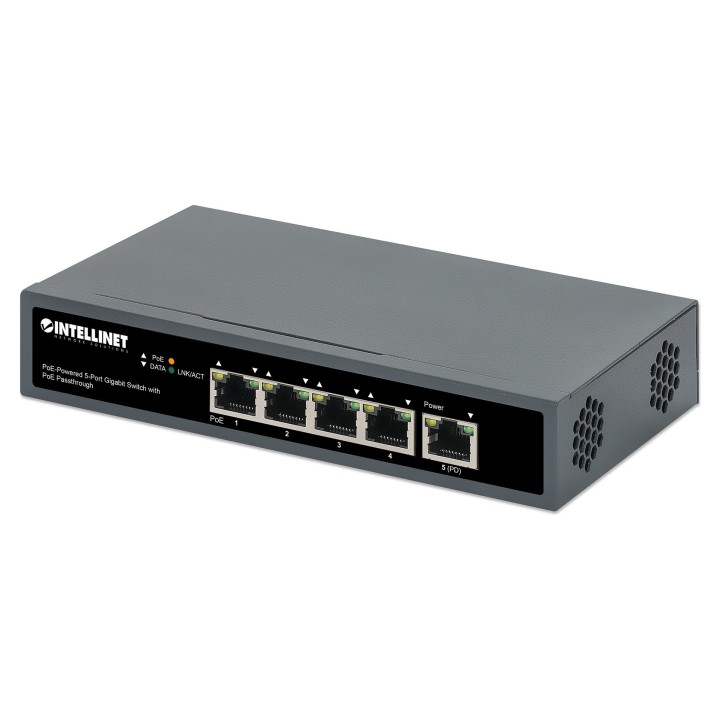
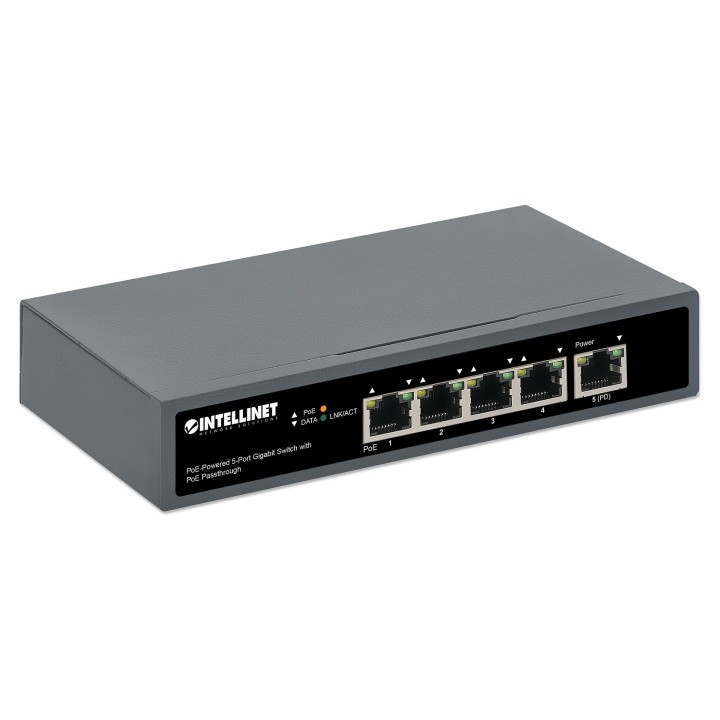
Przełącznik Gigabit 5x PoE Passthrough zasilany PoE lub ACz, 95W obrazki
Przełącznik Gigabit 5x PoE Passthrough zasilany PoE lub ACz, 95W
Opis produktu
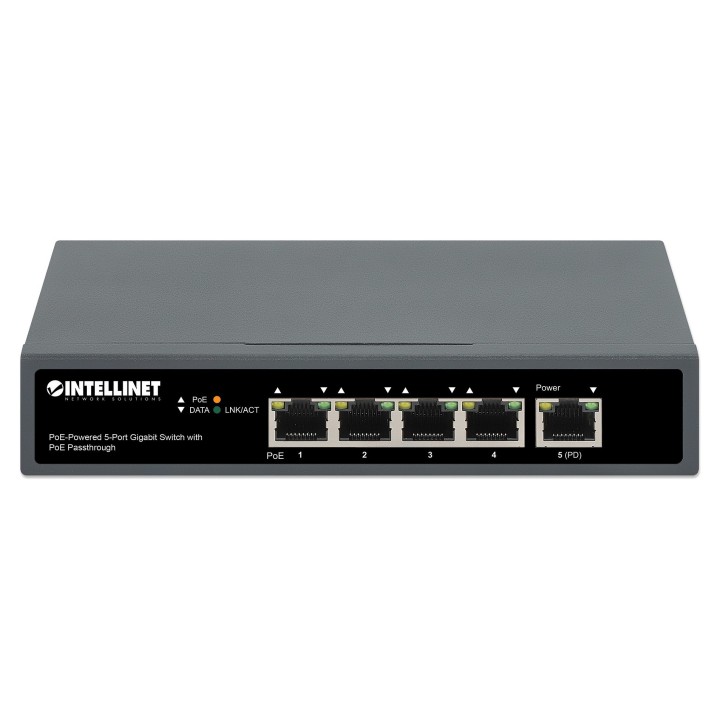
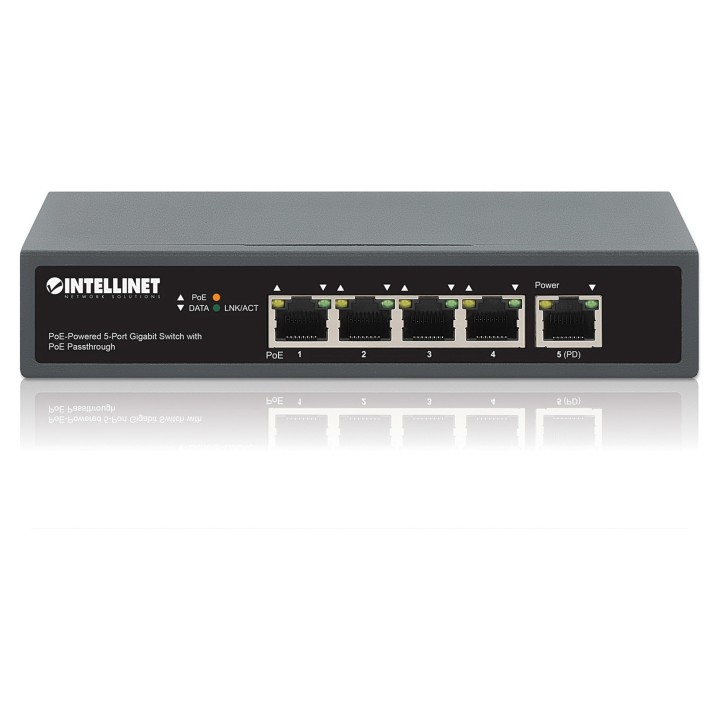
5-portowy przełącznik Gigabit zasilany przez PoE/AC z funkcją PoE Passthrough
Jeden port IEEE 802.3bt (PoE++ / 4PPoE) PD PoE z mocą wejściową 95 W, cztery porty PSE PoE, budżet mocy PoE do 65 W, wyjście zgodne ze standardem IEEE 802.3at/af, desktop
Najważniejsze
- Moc wejściowa do 95 W z injectora lub przełącznika PoE
- Budżet mocy PoE do 65 W przy użyciu zasilania z gniazda AC lub IEEE 802.3bt przez port wejściowy PD
- Zapewnia transfer danych i zasilanie do czterech urządzeń sieciowych PoE
Specyfikacja
- Klasa przełącznika: Niezarządzalny
- Zastosowanie (switche): Dom i małe biuro (do 16 portów)
- Architektura sieci (switche): GigabitEthernet
- Liczba portów 10/100 Mbps: Brak
- Liczba portów 10/100/1000 Mbps: 5
- Liczba portów 10/100/1000/2500 Mbps: Brak
- Liczba portów 10Gb: Brak
- Liczba portów PoE (PoE + PoE+): 5
- Liczba portów PoE+: Brak
- Liczba portów COMBO: Brak
- Liczba portów SFP: Brak
- Liczba portów SFP+: Brak
- Liczba portów SFP56: Brak
- Liczba portów QSFP+: Brak
- Port konsoli: Nie
- Tryb przekazywania: Store-and-forward
- Przepustowość (switche Gbps): 10 Gb/s
- Bufor pamięci (switche): 1024 KB
- Rozmiar tablicy adresów MAC: 2048
- Obsługa ramek Jumbo: Tak
- Rozmiar ramki Jumbo: 9 KB
- Możliwość łączenia w stos: Nie
- Obsługiwane protokoły i standardy: IEEE 802.3 IEEE 802.3ab IEEE 802.3af IEEE 802.3at IEEE 802.3bt IEEE 802.3u IEEE 802.3x
- Typ obudowy: Desktop (PC/Switche)
- Wentylator (switche): Nie
- Zasilacz (switche): Zewnętrzny
- Pobór mocy: 72 W
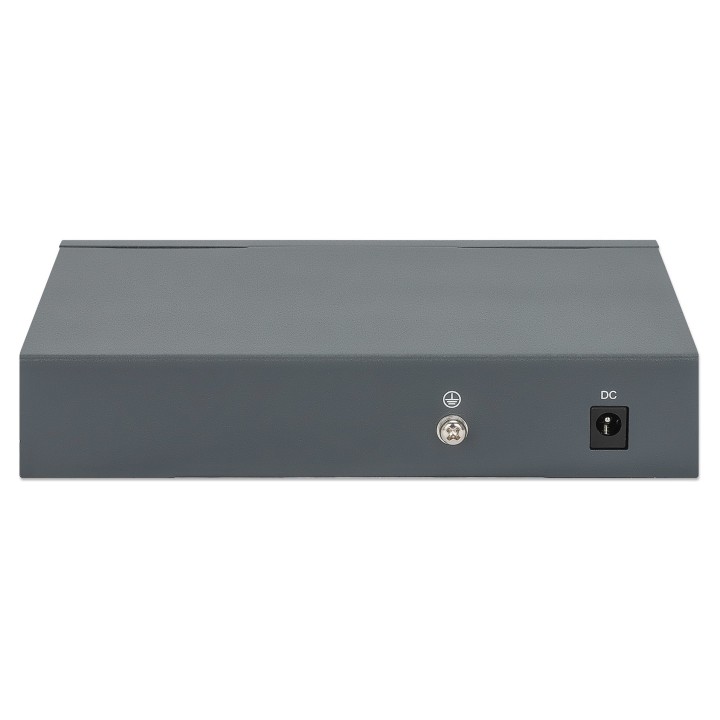
- Zasilanie: Wejście: 100,0-240,0 VAC, 50-60 Hz, 2,0 A Wyjście: DC, 54,5 V, 1,32 A
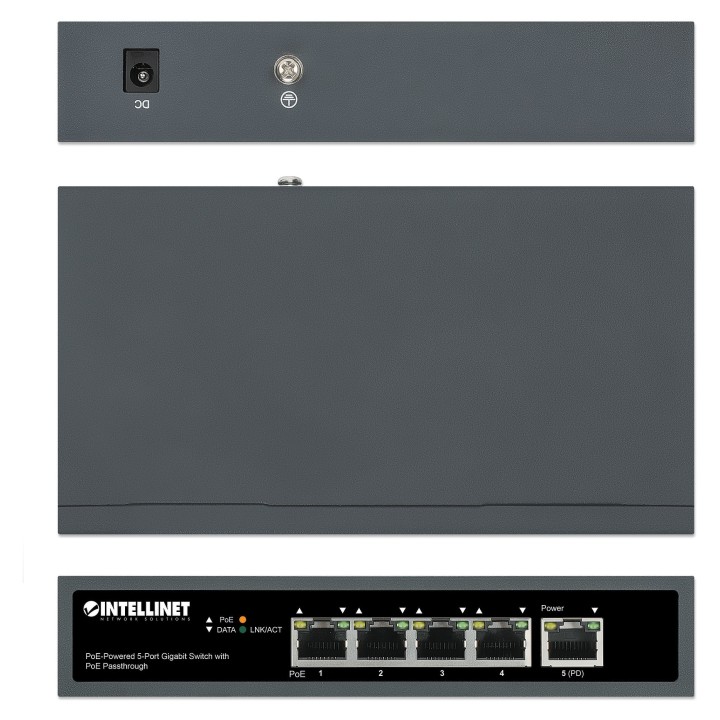
- Wymiary: 93 x 168 x 32 mm
- Waga: 400 g
- Pozostałe parametry: Moc wejściowa do 95 W z injectora lub przełącznika PoE Budżet mocy PoE do 65 W przy użyciu zasilania z gniazda AC lub IEEE 802.3bt przez port wejściowy PD Zapewnia transfer danych i zasilanie do czterech urządzeń sieciowych PoE Podwaja dystans połączenia pomiędzy urządzeniami PoE z 100 metrów do 200 metrów Może być zasilany poprzez PoE lub dzięki dołączonemu zasilaczowi Budżet mocy PoE 25 W przez połączenie IEEE 802.3at i 10 W przez połączenie IEEE 802.3af Porty wyjściowe RJ45 PoE/PoE+ zgodne z IEEE 802.3at/af Moc wyjściowa do 30 W na port Oszczędność czasu i pieniędzy dzięki wykorzystaniu istniejącego przewodu sieciowego do zasilania i transmisji danych Współpracuje z urządzeniami PoE zgodnymi z IEEE 802.3at oraz IEEE 802.3af (bezprzewodowe punkty dostępowe, telefony VoIP, kamery sieciowe) Obsługa detekcji standardu IEEE 802.3 at/af oraz ochrona przed zwarciem, przeciążeniem i zbyt wysokim napięciem Punkt uziemienia do ochrony sprzętu przed zewnętrznymi skokami napięcia elektrycznego Autokrosowanie MDIX na wszystkich portach RJ45 (auto uplink) Obsługa kontroli przepływu IEEE 802.3x w trybie full duplex Otwory do montażu ściennego Gumowe stopki gwarantują stabilność stacji Konstrukcja bez wentylatora zapewnia cichą pracę W pełni zgodny z ustawą NDAA
- Uwaga: CE+WEEE
Szczegóły produktu
- Marka Intellinet
- Kod produktu 660fc65271a267703cbc8fc1
- Dostępność 5 Przedmioty
- EAN13 0766623561808
- MPN 561808
Producent
Producent
IC INTRACOM Vertriebs GmbH
Löhbacher Str. 7 58553 Halver Germany
E-mail: info@ic-intracom.com
Formularz kontaktowy: https://icintracom.de/pages/kontaktformular
Telefon: +49 2353 70070
Bezpieczeństwo
Informacje o bezpieczeństwie
List of safety warnings for network equipment based on the requirements of General Product Safety Regulation (GPSR) 2023/988: 1. Risk of electric shock: * Make sure that the device is connected to a working socket with grounding. * Do not touch the plug or cable with wet hands. * Avoid using the device in places with high humidity. 2. Risk of overheating: * Provide adequate ventilation while maintaining at least 5 cm of free space around the device. * Do not block ventilation openings and avoid putting network equipment on soft surfaces such as blankets or pillows. 3. Fire risk: * Use only original power supplies and accessories recommended by the manufacturer. * Do not leave the device on unattended near flammable materials. 4. Risk of bodily injury: * Use the device on a stable surface to minimize the risk of falling. 5. Hazards in humid environments: * Do not use network equipment outdoors in rain or in places with high humidity. * If the device is flooded, immediately disconnect it from the power source and contact the service. 6. Hazards at high temperatures: * Do not expose the device to direct sunlight. * Avoid using network equipment at temperatures above the recommended range (usually 5-35°C). 7. Risk of damage during cleaning: * Before cleaning, disconnect the device from the power supply and use a soft, slightly damp cloth. * Avoid using strong detergents that can damage the surface of the device. 8. Caution when replacing accessories: * Use only the accessories recommended by the manufacturer. * When replacing batteries, follow the manufacturer's instructions and do not expose the battery to high temperatures. 9. Risks associated with battery use: * Avoid damage to the battery by impact or puncture. * If the battery overheats or swells, stop using the device immediately. 10. Warnings for children: * Keep power cables out of reach of children. * Make sure that children do not play with the device or accessories that can be dangerous. 11. Electromagnetic interference: * Using network equipment near medical devices such as pacemakers can cause electromagnetic interference. * Maintain a distance of at least 15 cm between network equipment and medical devices. 12. Fire hazard: * Storing network equipment near flammable materials or using non-original power supplies may increase the risk of fire. * Use your smartphone away from fabrics, paper, and other flammable materials. 13. Regular maintenance: * Failure to regularly clean ports and sockets can lead to damage or failure. * Clean ports and sockets regularly using a dry and clean cloth, avoiding moisture input.
Switche
- Nowy
- Nowy
- Nowy
- Nowy
- Nowy
- Nowy
- Nowy
- Nowy
- Nowy
- Nowy
Ostatnio oglądane
Produkty, które ostatnio zwróciły Twoją uwagę.
- Nowy
- Nowy
- Nowy
- Nowy
- Nowy

- Nowy

- Nowy