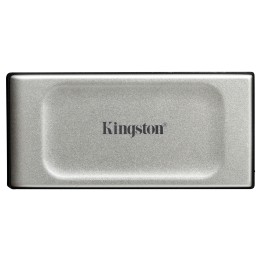
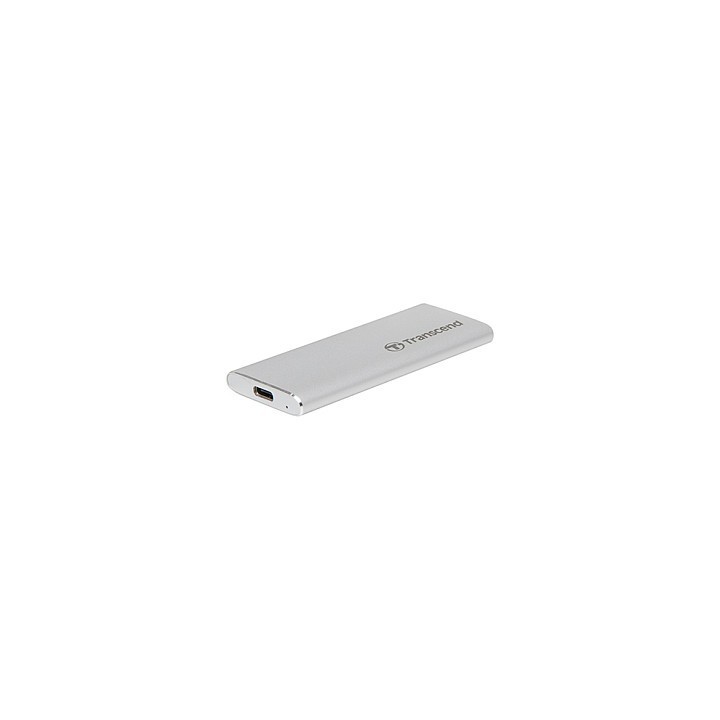
TRANSCEND ESD260C 1TB zewnętrzny SSD USB 3.1 Gen 2 (USB-C)

Cena: 1 577,49 zł
Brutto
Dostępność produktu: Dostępny 12 szt.
Czas dostawy Wysyłka w ciągu 7 dni roboczych
Koszt dostawy Bezpłatna dostawa od 250 zł.

Opis produktu

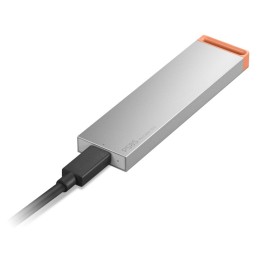
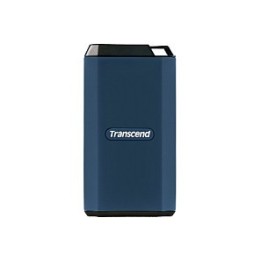
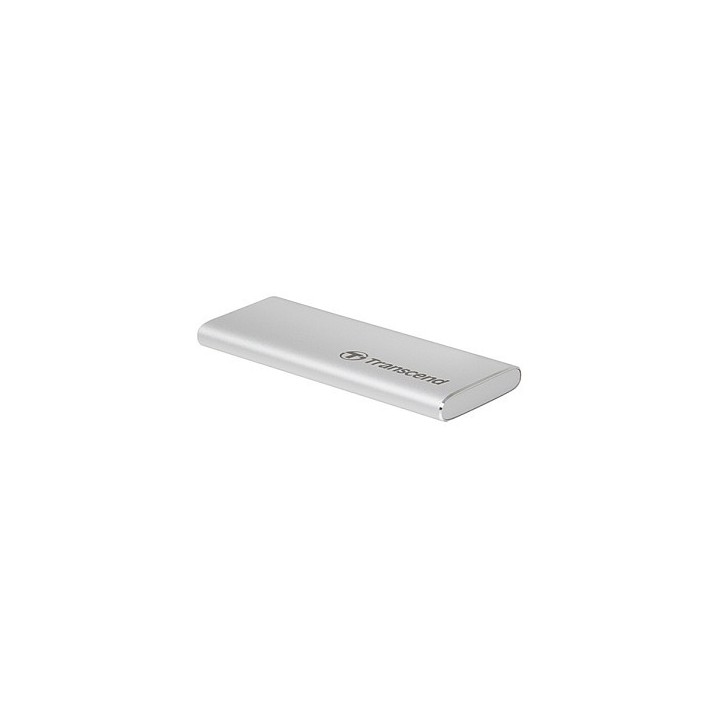
TRANSCEND ESD260C to przenośny dysk SSD o pojemności 1 TB zaprojektowany z myślą o szybkim i wygodnym przechowywaniu danych. Kompaktowa, srebrna obudowa łączy estetykę z funkcjonalnością, ułatwiając korzystanie z nośnika poza biurem.
Urządzenie wykorzystuje interfejs USB 3.1 Gen 2 i złącze USB-C, co umożliwia wydajne transfery danych przy współpracy z nowoczesnymi komputerami i urządzeniami obsługującymi ten standard. Wnętrze oparto na pamięciach 3D NAND, co wpływa na stabilność i trwałość pracy nośnika.
Niewielkie wymiary (33,6 mm x 81,4 mm x 7,5 mm) oraz waga 33 g sprawiają, że ESD260C jest łatwy do przenoszenia i nie obciąża codziennego zestawu mobilnego. Produkt przeznaczony jest dla użytkowników poszukujących pojemnego, przenośnego rozwiązania do zapisu i archiwizacji danych.

Specyfikacja

  • Model: ESD260C
  • Typ: SSD zewnętrzny (przenośne)
  • Pojemność: 1 TB
  • Interfejs: USB 3.1 Gen 2
  • Złącze: USB-C
  • Technologia pamięci: 3D NAND
  • Kolor obudowy: Srebrny
  • Szerokość: 33.6 mm
  • Głębokość: 81.4 mm
  • Wysokość: 7.5 mm
  • Waga: 33 g

Szczegóły produktu

  • Marka TRANSCEND
  • Kod produktu 6610c4e3620507cf6ebeaf99
  • Dostępność 12 Przedmioty
  • EAN13 0760557859123
  • MPN TS1TESD260C

Specyfikacja

  • Pojemność nośnika (GB) 1000 GB

Producent

Producent

Transcend Information Trading GmbH

Flughafenstr. 52b 22335 Hamburg Niemcy

E-mail: techsupport-de@transcend-info.com

Formularz kontaktowy: https://www.transcend-info.com/Support/contact_form

Bezpieczeństwo

Informacje o bezpieczeństwie

List of external and portable drive safety warnings based on the requirements of General Product Safety Regulation (GPSR) 2023/988: * Use the drive according to the manufacturer’s instructions to avoid mechanical damage or data loss. * Do not expose the disc to extreme temperatures, moisture, or direct sunlight to prevent overheating or damage. * Protect your drive from drops and bumps, as this can cause damage to internal components and data loss. * Disconnect the drive from your computer in a secure manner (using the "Safe Hardware Removal" feature) to avoid data loss or damage to the drive. * Do not open the disk housing, as this may result in loss of warranty and damage to delicate components. * In case of disk failure, do not try to repair it yourself; contact a professional data recovery service. * Keep the drive away from strong magnetic fields that can disrupt operation and cause data loss. * Use only the original cables and power supplies that came with the drive to avoid compatibility issues and damage. * Regularly back up data from disk to other media to avoid losing important information in the event of a failure. * Keep the disc out of reach of children to avoid accidental damage or ingestion of small items. * When transporting the disk, protect it from shocks and moisture by placing it in a suitable protective case. * Do not attempt to connect a damaged drive to your computer as this may cause additional problems. * Regularly scan the drive with an antivirus program to prevent malware infection. * Do not use the disc near flammable substances, as overheating and fire may occur in the event of a breakdown. * Make sure the voltage in the electrical outlet complies with the requirements of the disk power supply to avoid damage. * If the drive overheats, disconnect it from power immediately and let it cool before reusing. * Clean the disc housing with a soft, dry cloth; do not use chemicals that can damage the surface. * For long-term disk storage, place it in a dry and cool place to avoid component degradation. * If your drive is equipped with encryption software, make sure your password is secure and remembered to avoid permanent loss of access to your data. * When connecting and disconnecting the drive, hold by the housing, not by the cable, to avoid damaging the connector.

Ładowanie...
Wróć na górę