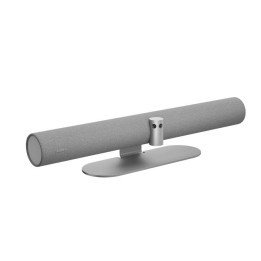

Switch RCH40 E2
Opis produktu
RCH40 E2
Yealink RCH40 E2 to wszechstronny hub kablowy zaprojektowany specjalnie do obsługi potrzeb średnich i dużych sal konferencyjnych. Oferuje szereg zaawansowanych funkcji, które ułatwiają i zabezpieczają połączenia oraz dostarczają wystarczającą moc, aby obsłużyć zaawansowane systemy wideokonferencyjne.
Specyfikacja
- Klasa przełącznika: Niezarządzalny
- Zastosowanie (switche): Średnie i duże firmy (powyżej 16 portów)
- Architektura sieci (switche): GigabitEthernet
- Liczba portów 10/100 Mbps: Brak
- Liczba portów 10/100/1000 Mbps: 4
- Liczba portów 10/100/1000/2500 Mbps: Brak
- Liczba portów 10Gb: Brak
- Liczba portów 25Gb: Brak
- Liczba portów PoE (PoE + PoE+): Brak
- Liczba portów PoE+: Brak
- Liczba portów COMBO: Brak
- Liczba portów SFP: Brak
- Liczba portów SFP+: Brak
- Liczba portów SFP56: Brak
- Liczba portów QSFP+: Brak
- Port konsoli: Nie
- Obsługa ramek Jumbo: Nie
- Możliwość łączenia w stos: Nie
- Obsługiwane protokoły i standardy: 802.3af
- QoS: Tak
- Wentylator (switche): Nie
- Zasilacz (switche): Zewnętrzny
- Pobór mocy: 48 W
- Akcesoria w zestawie: Switch Zasilacz 48V 2A Instrukcja obsługi
- Zasilanie: 48V 2A
- Wymiary: 23 x 100 x 100 mm
- Uwaga: CE+WEEE
Szczegóły produktu
- Marka Yealink
- Kod produktu 66ecc60a812b416d8385db3b
- Dostępność 1 Przedmiot
- EAN13 6938818318946
- MPN 1303166
Producent
Producent
Yealink (Europe) Network Technology B.V.
Keizersgracht 62 1015 CS Amsterdam Holandia
E-mail: europe@yealink.com
Formularz kontaktowy: https://www.yealink.com/en/contact
Telefon: +86 5925702000
Osoba odpowiedzialna w UE
Yealink (Europe) Network Technology B.V.
Keizersgracht 62 1015 CS Amsterdam Netherlands
E-mail: europe@yealink.com
Formularz kontaktowy: https://www.yealink.com/
Telefon: +86 5925702000
Bezpieczeństwo
Informacje o bezpieczeństwie
List of valve safety warnings in the pneumatic system based on the requirements of General Product Safety Regulation (EU) 2023/988 (GPSR): * Assembly and disassembly: * Order the assembly and disassembly of valves to qualified personnel to avoid errors and damage. * Disconnect the pneumatic system from the power supply before starting work to avoid uncontrolled outflow of compressed air. * Make sure the valves are suitable for the pressure and operating temperature of the pneumatic system to prevent failure and leakage. * Usage: * Do not exceed the maximum working pressure of the valves to avoid damage and potential explosions. * Regularly check the condition of valves for corrosion, cracks, and other mechanical damage. * Keep valves clean to prevent locking and malfunction. * Maintenance: * Conduct regular inspections and maintenance of the valves, as recommended by the manufacturer, to ensure their proper operation and long service life. * Use appropriate lubricants, as recommended by the manufacturer, to prevent wear and corrosion of moving parts. * Replace damaged or worn-out valve components with genuine replacement parts to maintain their safety and performance. * Environment: * Protect your valves from extreme temperatures, moisture, and contaminants that can negatively affect their performance and durability. * Ensure that the valves are adequately protected against external factors such as UV radiation, chemicals, and other aggressive substances. * Safety: * Do not modify the valves in a way that is inconsistent with their intended purpose to avoid loss of warranty and potential hazards. * In case of failure or malfunction of the valve, immediately turn off the pneumatic system and order repair to qualified personnel. * Make sure all connections in the pneumatic system are tight to prevent compressed air leakage and potential injury.